


The Ultimate Guide to Choosing Reliable Used Cars
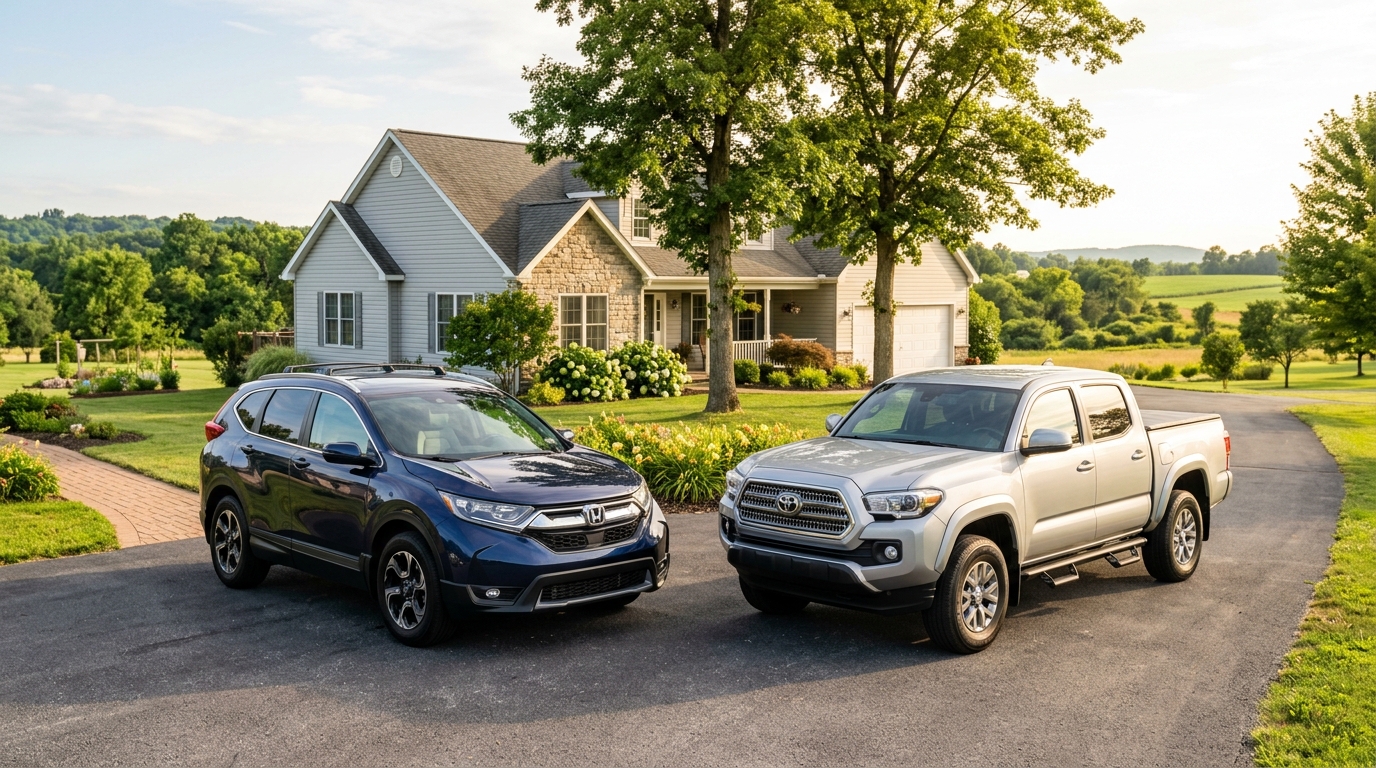
To compare used car options effectively, buyers evaluate vehicle age, total mileage, documented maintenance records, overall mechanical condition, and trim specifications rather than relying on body style or model year alone. Verifying an accurate vehicle history report, inspecting wear items like tires and brakes, and test-driving on local roads ensures fair pricing and long-term reliability.
When shopping for pre-owned vehicles in the local market, buyers encounter a broad selection of sedans, crossovers, pickup trucks, and full-size SUVs. Comparing listings across our pre-owned vehicle inventory starts with analyzing the relationship between odometer mileage and vehicle age. A four-year-old vehicle with 45,000 miles that includes documented oil changes and tire rotations often represents a better long-term investment than a three-year-old vehicle with 75,000 miles and no service history. Evaluating factory options, such as all-wheel drive, upgraded safety suites, or towing packages, helps clarify why two vehicles of the same model year carry different price tags.
Drivers making the daily trek along Route 11 from Greencastle often prioritize lower mileage and all-weather traction to handle seasonal weather and rolling terrain. Comparing options across brand lineups, including our specialized pre-owned GMC listings, allows shoppers to evaluate different engine choices and cabin configurations side by side. Before finalizing a decision, taking advantage of online valuation tools to value your trade-in provides a clear picture of total purchasing power. To view inventory in person or ask specific model questions, buyers can stop by our Waynesboro dealership location or give our team a call at (833) 669-0849.
Table of Contents
- What Is the Average Price Range and Why Do Similar Used Cars Differ in Cost?
- What Inspection Standards Apply to CPO Vehicles and Franklin County Compliance?
- How Do You Compare Used SUVs, Sedans, and Pickup Trucks?
- Should You Get a Vehicle History Report and Can You Complete the Process Online?
- Common Questions About Buying Pre-Owned Vehicles
- Where to Search, Test Drive, and Finance Your Next Used Car in Waynesboro, PA
What Is the Average Price Range and Why Do Similar Used Cars Differ in Cost?
Reliable pre-owned vehicles in the regional market typically range from $12,000 to $22,000 for five- to eight-year-old models with under 100,000 miles, while newer late-model crossovers and trucks land between $25,000 and $40,000. Price differences between similar vehicles stem from variations in trim levels, vehicle history, mileage, factory options, mechanical reconditioning, and overall interior and exterior condition.
Understanding price distribution across used car lots helps buyers set realistic expectations for their budget. Older budget-friendly sedans and compact crossovers priced under $15,000 offer functional daily transportation, though they may carry higher odometer readings. Mid-range choices between $18,000 and $26,000 often represent late-model lease returns featuring modern driver-assist technology, Apple CarPlay, Android Auto, and remaining factory powertrain coverage. Higher price tiers above $30,000 typically consist of low-mileage full-size pickup trucks, three-row family SUVs, or specialized performance models.
Two vehicles of the same make, model, and year can vary in price by thousands of dollars due to specific structural and operational factors:
- Trim Level and Packages: Base trims with standard cloth seating cost significantly less than upper trims equipped with leather upholstery, panoramic sunroofs, or advanced trailering packages.
- Mileage Disparities: An odometer difference of 30,000 miles between identical models directly impacts market value and expected remaining component lifespan.
- Maintenance and Condition: Vehicles with a single owner, clean service records, new brake pads, and fresh tires command higher prices than units requiring immediate maintenance.
- Reconditioning Standards: Thorough mechanical inspection, paint touch-ups, and interior detailing add tangible value compared to vehicles sold directly as-is.
Comparing different vehicle classes highlights how features influence pricing. For example, shoppers looking at midsize pickup trucks can research Chevy Colorado trim levels to see how off-road suspension packages alter vehicle value. Similarly, comparing midsize crossovers against full-size options by exploring the Chevy Blazer lineup alongside full-size Chevy Tahoe options illustrates how seating capacity and V8 engine power dictate price brackets.
What Inspection Standards Apply to CPO Vehicles and Franklin County Compliance?
Certified Pre-Owned (CPO) vehicles must pass a rigorous 100-plus to 170-point factory inspection covering mechanical components, safety systems, drivetrain performance, and reconditioning standards before earning factory warranty-backed coverage. In Franklin County, vehicles undergo annual safety inspections and visual anti-tampering emission checks, including gas cap pressure tests, to meet state requirements before ownership transfer.
Factory certification provides pre-owned buyers with extended warranty protection and verified mechanical quality. During the CPO inspection process, factory-trained technicians examine major engine components, transmission shift quality, steering assembly alignment, suspension bushings, and brake pad thickness. Wear items like tires and brake rotors must meet minimum tread depth and thickness thresholds, or they are replaced with original equipment manufacturer parts. Any active safety recalls identified through National Highway Traffic Safety Administration databases must be completed before a vehicle receives certified status.
Local regulatory compliance is equally important when purchasing a vehicle in Pennsylvania. In Franklin County, annual vehicle inspections focus on safety systems and visual anti-tampering emissions requirements:
| Inspection Category | Standard Requirement | CPO / Pre-Owned Verification |
|---|---|---|
| Brake System | Pad thickness above state minimums, leak-free hydraulics | Complete pad/rotor measurement, fluid flush if required |
| Tires & Suspension | Tread depth above 2/32 inch, functional shock absorbers | Minimum 4/32 inch tread depth or replacement on CPO |
| Emissions & Exhaust | Visual anti-tampering check, gas cap pressure test | Catalytic converter, sensor check, gas cap seal test |
| Lighting & Glass | All exterior lights working, crack-free windshield sweep | Full bulb, lens, and wiper blade replacement |
Buyers deciding between certified pre-owned units and factory-new vehicles can explore new Chevrolet inventory or review new GMC lineup choices to weigh price differences against zero-mile warranty coverage. For buyers seeking specialized performance, reviewing Chevy Corvette specifications helps contextualize how performance vehicle inspection standards differ from standard commuter cars.
How Do You Compare Used SUVs, Sedans, and Pickup Trucks?
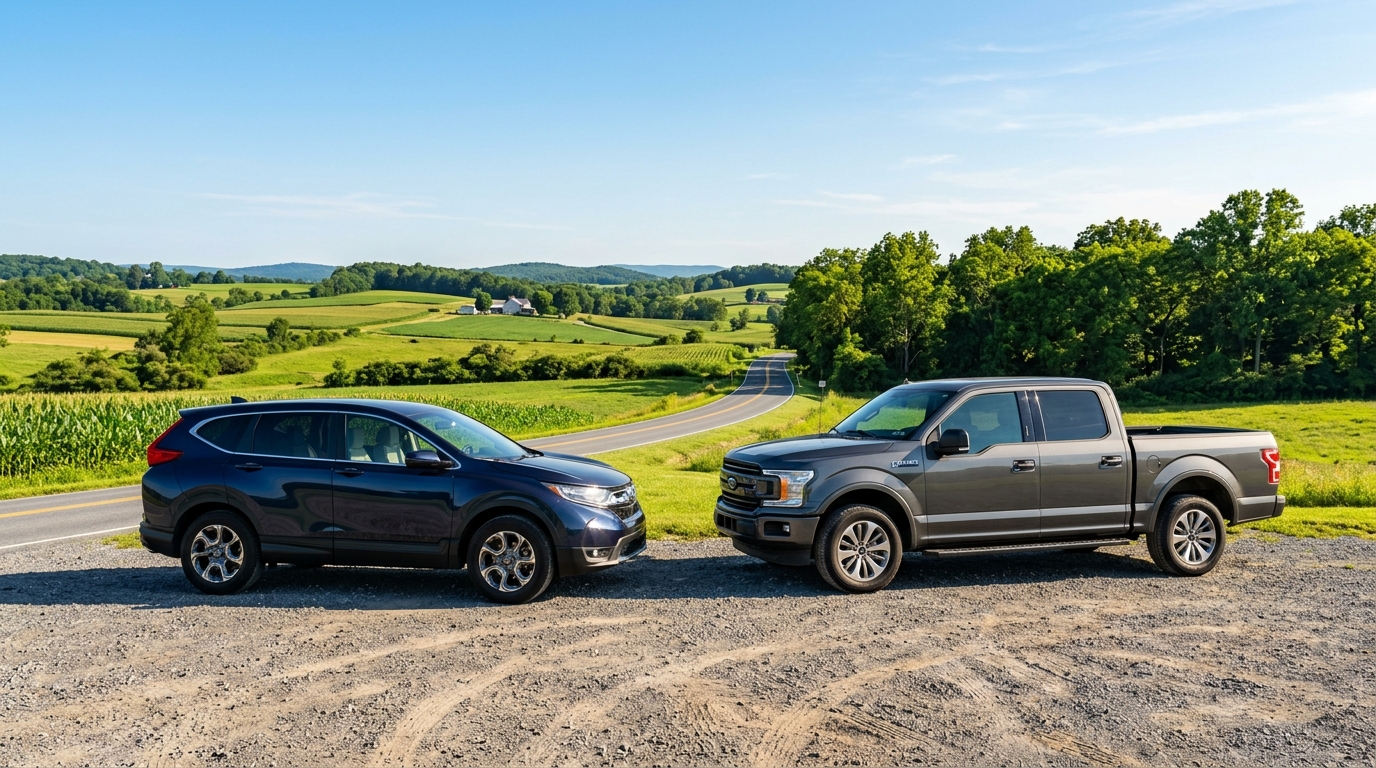
Comparing similar used SUVs, sedans, and pickup trucks requires analyzing powertrain specs, drivetrain capabilities, seating arrangements, tow ratings, and actual cargo dimensions rather than exterior appearance alone. Side-by-side comparisons of engine output, fuel efficiency figures, maintenance history, and specific option packages reveal which vehicle delivers the right balance of performance and utility.
When buyers examine two used SUVs side by side on the dealership lot, they usually check mileage and service records before looking at trim labels. A compact crossover powered by a 1.3-liter turbo engine producing 155 hp achieves up to 28 mpg highway, making it an efficient choice for daily errands. In contrast, a midsize three-row crossover equipped with a 2.5-liter engine generating 187 hp or a 3.6-liter V6 delivering 287 hp offers greater cabin space and higher towing capabilities, though fuel economy drops to roughly 19 mpg city / 28 mpg highway.
Commuters traveling the I-81 corridor near Hagerstown frequently balance highway efficiency against interior cargo volume when choosing between midsize crossovers and full-size trucks. Comparing popular pre-owned body styles involves looking closely at core performance metrics:
- Midsize and Compact Crossovers: Crossovers like the Chevy Trax crossover offer easy maneuverability, modern infotainment displays, and fuel economy around 30 mpg highway.
- Three-Row Family SUVs: Vehicles like the Chevy Traverse family SUV provide seating for up to eight passengers and about 98 cubic feet of maximum cargo space with rear seats folded flat.
- Full-Size Pickup Trucks: Trucks such as Chevy Silverado 1500 models deliver robust frame strength, available V8 engines, and towing capacities exceeding 9,000 lb depending on axle ratio and configuration.
Sedans also demand careful evaluation during the shopping process. Popular pre-owned midsize sedans like a used Toyota Camry have earned strong reputations for longevity, but individual mechanical condition remains paramount. Checking for oil seepage, transmission shift smoothness, brake wear, and suspension squeaks ensures that a well-regarded sedan model actually lives up to its reliability expectations.
Should You Get a Vehicle History Report and Can You Complete the Process Online?
Obtaining a vehicle history report is an essential step before purchasing any pre-owned vehicle, as it documents previous ownership, title status, accident history, service records, and open safety recalls. Buyers can complete the initial stages of the purchase online—including browsing live inventory, evaluating trade-ins, and submitting credit pre-qualification applications—from home before scheduling a test drive.
A comprehensive history report from services like Carfax or AutoCheck provides critical transparency into a vehicle’s past. The report details whether the title is clean, salvage, or rebuilt, and flags structural damage from prior collisions. Detailed service entries confirm whether previous owners completed routine oil changes, brake services, and fluid flushes at recommended mileage intervals. Additionally, cross-referencing the Vehicle Identification Number (VIN) against recall databases ensures all manufacturer safety updates have been addressed.
Modern digital tools streamline the used car buying experience, allowing shoppers to complete multiple steps before visiting the showroom:
- Online Inventory Browsing: Filter vehicles by make, model, price band, mileage, drivetrain, and specific features like heated seats or all-wheel drive.
- Trade-In Appraisal: Input current vehicle details, mileage, and condition to receive an estimated market value to apply toward a pre-owned purchase.
- Digital Credit Pre-Qualification: Submit secure financing forms from home to view preliminary interest rates and loan terms without affecting credit scores.
- Schedule a Test Drive: Reserve a specific time to evaluate the vehicle on local roads, test audio and climate systems, and confirm cabin comfort.
Exploring specialized inventory online helps narrow down choices quickly. Buyers seeking work-ready heavy-duty vehicles can inspect Chevy Silverado 3500HD heavy-duty trucks, while drivers looking for versatile daily transportation can research Chevy Trailblazer inventory or consider an electric option like the Chevy Equinox EV electric crossover.
Common Questions About Buying Pre-Owned Vehicles
Q: Is a used sedan like a Camry still worth inspecting closely before buying?
Yes, a used sedan requires a thorough mechanical inspection regardless of its brand reputation for reliability. Prior owner maintenance, oil change consistency, brake condition, tire wear patterns, and rust exposure significantly impact how any vehicle performs over time. Examining service records, checking for fluid leaks under the hood, testing air conditioning performance, and taking an extended test drive on local roads ensure that a specific pre-owned sedan is mechanically sound before purchase.
Q: How can buyers find the most affordable pre-owned vehicles in the local area?
Finding budget-friendly used cars involves checking real-time online dealership inventory listings, filtering search parameters by price thresholds under $20,000, and reviewing trade-in bargain lots. Working directly with established franchise dealerships ensures access to professionally reconditioned vehicles that have passed state safety checks. Buyers should also evaluate total cost of ownership, including fuel economy figures, insurance rates, and expected maintenance needs, rather than focusing solely on the sticker price.
Q: Can I finance a pre-owned vehicle directly through the dealership?
Yes, pre-owned buyers can secure auto loans directly through the dealership finance department, which works with multiple regional lenders and national financial institutions. Utilizing an online online credit application allows customers to compare loan structures, down payment options, and term lengths from home. Financing on-site streamlines the purchase process by combining trade-in credit, loan approval, and final paperwork into a single visit.
Q: What paperwork should I prepare before applying for pre-owned auto financing?
Applicants should gather recent pay stubs proving stable income, valid government-issued driver’s licenses, proof of residence such as a utility bill, and current auto insurance details. Bringing these documents to the dealership speeds up underwriter approval. Buyers can also use a secure pre-qualification tool online to clarify expected budget parameters before selecting a vehicle on the lot.
Q: How does trading in my current vehicle affect my overall purchase price?
Trading in a vehicle applies its net cash value directly toward the purchase price of your next car, lowering the total loan amount financed. In Pennsylvania, trading in also provides a tax advantage, as buyers pay sales tax only on the net price difference between the trade-in allowance and the pre-owned vehicle’s price. Heavy-duty truck buyers evaluating Chevy Silverado 2500HD capability often use trade-in equity from older work trucks to offset overall upgrade costs significantly.
Where to Search, Test Drive, and Finance Your Next Used Car in Waynesboro, PA
Finding and purchasing a dependable pre-owned vehicle requires a clear process: browsing real-time online inventory, reviewing vehicle history reports, pre-qualifying for financing, and taking a thorough test drive on local roads. Visiting our showroom at 1035 E Main St in Waynesboro gives buyers access to well-inspected pre-owned cars, trucks, and SUVs backed by dedicated sales and finance teams.
Whether you need a fuel-efficient commuter, a heavy-duty pickup, or a spacious family vehicle like the Chevy Suburban specs demonstrate, our staff is ready to assist you at every step. Take the next step today by exploring our online pre-owned inventory, filling out a secure credit application, or valuing your trade-in from home. When you are ready for a test drive, visit our showroom or call our team at (833) 669-0849 to schedule your appointment.
Keep Your Vehicle Running Strong
Keep your vehicle performing at its best with our service team:

0 comment(s) so far on The Ultimate Guide to Choosing Reliable Used Cars