

Unlock Stress-Free Car Buying: The Ultimate Checklist for a Smooth Dealership Visit
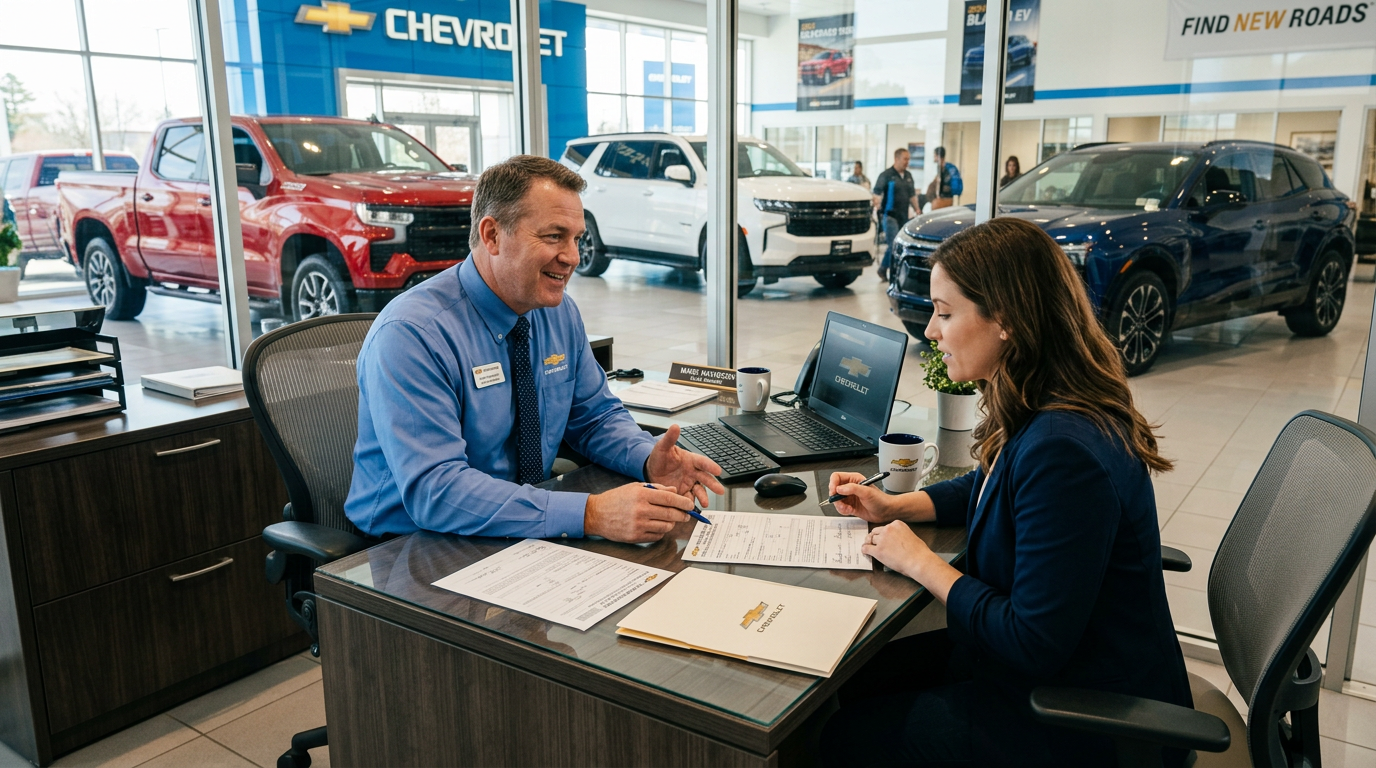
Stepping onto a showroom lot is much easier when you have a clear plan and the right paperwork in hand. Arriving prepared helps you focus entirely on evaluating your potential purchase, comparing vehicle trims, and securing the best possible terms. Whether you are aiming to drive home in a brand-new truck or a reliable pre-owned SUV, organizing your materials ahead of time ensures a seamless transition from browser to buyer.
Your physical preparation begins with a few non-negotiable documents that every licensed driver must present before a test drive or purchase. You must bring a valid, physical driver’s license to verify your identity and legal driving status. Alongside your license, having a current physical copy of your auto insurance card is necessary, as dealerships require proof of active coverage before you can drive a vehicle off the lot. If you are planning to trade in your current vehicle to help fund your new purchase, remember to locate your vehicle’s physical title, often referred to as the pink slip, and the current registration card.
For buyers driving in from nearby areas like Greencastle, mapping out your trip to the showroom is the final step in your initial preparation. Having your documents organized in a single folder prevents last-minute stress at the sales desk. If you want to confirm vehicle availability or ask a quick question before making the trip, you can reach out to our team by giving us a quick call. When you are ready to view our inventory in person, you can easily find the best route by pulling up our showroom directions on your phone or navigation system.
Table of Contents
- Organizing Your Financial Strategy and Proof of Income
- Understanding Automotive Pricing Terms from MSRP to Out-the-Door Costs
- How to Inspect and Evaluate a Used Vehicle Before Buying
- Maximizing Savings with Trade-In Tax Advantages and Navigating Fees
- Insurance Requirements and Down Payment Options for Your Purchase
- Common Questions About Preparing for Your Vehicle Purchase
- Streamlining Your Next Vehicle Purchase
Organizing Your Financial Strategy and Proof of Income
Establishing a firm budget before you look at vehicle inventory is the most effective way to protect your personal finances. A complete financial strategy involves looking beyond the monthly payment to calculate how a vehicle fits into your overall household cash flow. This means accounting for the cost of fuel, insurance premium changes, and the size of your down payment. By setting these parameters early, you can narrow your search to vehicles that align with your long-term financial goals.
When you apply for dealership financing, lenders require clear documentation to verify that you can comfortably manage the loan terms. Proving your income is a straightforward process, but the required documents vary based on how you earn a living:
- W-2 Employees: Lenders typically require your two most recent physical pay stubs showing your year-to-date earnings.
- Self-Employed Buyers: You should prepare two years of completed federal tax returns and consecutive bank statements from the last three months to demonstrate consistent cash flow.
- Alternative Income Sources: If you rely on pension payments, Social Security, or disability benefits, you should bring your official benefit award letters or bank statements showing direct deposits.
Selecting the right vehicle style also plays a major role in your financial strategy, especially as modern powertrains offer new ways to save on daily driving costs. For example, shoppers looking to eliminate gasoline expenses entirely often research the all-electric Chevrolet Bolt EV for its highly efficient city commuting capabilities. If you need a larger vehicle with versatile cargo space but still want to transition away from traditional combustion engines, the spacious Chevrolet Equinox EV offers an excellent balance of utility and modern electric range. Having your financial documents organized allows you to secure competitive financing rates on these advanced models without unnecessary delays.
Understanding Automotive Pricing Terms from MSRP to Out-the-Door Costs
Navigating the financial side of a vehicle purchase requires a clear understanding of industry pricing terms. Many buyers find themselves confused by the various acronyms and figures printed on window stickers and buyer orders. Knowing the exact definition of each term helps you evaluate the true cost of a vehicle and negotiate with confidence.
The Manufacturer’s Suggested Retail Price, commonly known as the MSRP, is the retail price recommended by the brand’s corporate headquarters. This is the figure you see printed on the factory window sticker, which details the base cost of the vehicle plus any factory-installed options, packages, and destination charges. In contrast, the invoice price is the amount the dealership theoretically pays the manufacturer for the vehicle before any regional incentives, holdbacks, or volume rebates are applied. While the MSRP serves as a public baseline, the actual transaction price of a vehicle often fluctuates based on market demand and current inventory levels.
To understand what you will actually pay, you must focus on the out-the-door price rather than the initial sales price. The out-the-door price represents the complete, final amount required to secure total ownership of the vehicle. This total includes:
- The negotiated selling price of the vehicle.
- State and local sales taxes.
- State registration, title, and license plate fees.
- Dealership documentation fees.
When shopping for a vehicle, it is highly beneficial to explore distinct inventory segments to find the best value for your budget. If you are looking for highly competitive pricing, browsing our curated selection of vehicles under 25K is a great way to find reliable transportation that fits a strict budget. For those interested in exploring the latest design languages and premium features, visiting our digital GMC model showroom provides a comprehensive look at new trucks and SUVs. If you are interested in a highly capable, modern electric crossover, you can also explore the sleek Chevrolet Blazer EV to see how advanced technology fits into your target out-the-door budget.
How to Inspect and Evaluate a Used Vehicle Before Buying
Purchasing a pre-owned vehicle is an excellent way to avoid the initial depreciation hit that comes with a brand-new model. However, buying a used car requires a higher level of scrutiny during the research and inspection phases. Taking the time to evaluate a vehicle’s history and physical condition before you finalize the purchase prevents unexpected mechanical issues down the road.
Your evaluation should always begin with a comprehensive vehicle history report, which provides a detailed record of previous ownership, reported accidents, title status, and service history. When you transition to a physical inspection on the lot, check the body panels under bright, natural light to look for uneven gaps, mismatched paint, or overspray, which often indicate past collision repairs. Examine the tires for even tread wear; uneven wear patterns can point to suspension problems or poor wheel alignment. Under the hood, check the fluid levels and inspect the hoses and belts for visible cracks, leaks, or excessive wear.
A thorough test drive is the most critical phase of your physical evaluation. Turn off the radio so you can listen closely for any unusual engine noises, transmission slips, or suspension squeaks. Test the brakes on a safe stretch of road to ensure the vehicle stops straight without pulling to one side or causing steering-wheel vibrations. For commuters who travel frequently through the varied terrain of Hagerstown, testing how the transmission shifts on both steep inclines and highway on-ramps is a great way to evaluate real-world performance.
To start your search with confidence, you can browse our current inventory of new vehicles or explore our thoroughly vetted selection of pre-owned cars. If you are specifically interested in premium pre-owned trucks and family-sized utility vehicles, you can view our online GMC used vehicle listings. Once you find a model that passes your initial inspection, you can streamline the entire buying process by applying for financing online before scheduling your showroom visit. If you prefer to browse the newest heavy-duty trucks and premium SUVs on the market, checking out our latest GMC new vehicle listings will help you find the perfect model for your driving needs.
Maximizing Savings with Trade-In Tax Advantages and Navigating Fees
Trading in your current vehicle at a dealership is more than just a convenient way to clear space in your driveway. In many states, a dealership trade-in offers substantial sales tax benefits that can save you hundreds of dollars on your final purchase. Understanding how these tax laws operate allows you to calculate your true savings more accurately.
The sales tax advantage works by reducing the taxable purchase price of your new vehicle. When you trade in a vehicle, the dealership subtracts the agreed-upon trade-in value from the purchase price of the vehicle you are buying. In states that allow this tax credit, you only pay sales tax on the remaining net difference, rather than the full purchase price of the new vehicle. For example, if you purchase a new truck for $40,000 and receive a trade-in credit of $15,000, your state sales tax is calculated solely on the remaining $25,000. This tax break represents immediate savings that you would miss out on if you chose to sell your vehicle independently.
Beyond trade-in values, buyers should also understand the standard fees associated with a vehicle purchase. A dealer prep fee is a charge sometimes applied to cover the costs of cleaning, detailing, and inspecting a vehicle before it is placed on the showroom floor. Because these preparation tasks are standard costs of doing business, many buyers choose to negotiate these fees or ask for clarification on what specific services were performed. To see how much your current vehicle is worth and calculate your potential tax savings, you can use our online tool to value your trade-in. If you want to explore premium truck options that offer excellent utility and strong resale value, visiting our partners at Buchanan GMC is a great next step in your shopping journey.
Insurance Requirements and Down Payment Options for Your Purchase
Securing proper auto insurance is a critical legal step that must be completed before you can drive your new vehicle off the dealership lot. If you already have an active auto insurance policy, your current coverage typically includes a temporary grace period that extends to a new vehicle purchase. However, you must contact your insurance provider to add the new vehicle’s Vehicle Identification Number to your policy as soon as possible. If you do not have an active policy, you will need to obtain a new insurance quote and binder before taking delivery.
When it comes to completing your purchase, dealerships accept several reliable forms of payment to cover your down payment or the full purchase price. Understanding these options helps you coordinate with your financial institution ahead of time:
- Personal Checks: Many dealerships accept personal checks, though they may verify funds with your bank before finalizing the paperwork.
- Cashier’s Checks: A cashier’s check drawn directly from your bank is widely accepted and represents a secure, guaranteed form of payment.
- Debit and Credit Cards: Most dealerships accept major credit and debit cards, though they often place a maximum limit on card transactions to manage processing fees.
- Wire Transfers: For larger down payments, you can coordinate a direct electronic wire transfer between your bank and the dealership.
For drivers who navigate the rolling agricultural hills and rural roads of Chambersburg, choosing a highly capable vehicle with advanced traction control is often a top priority. If you are interested in a cutting-edge truck that combines zero-emission driving with massive towing capability, you can explore the all-new Chevrolet Silverado EV. Having your insurance binder ready and your down payment method confirmed ensures that you can complete the paperwork and start enjoying your new vehicle without delay.
Common Questions About Preparing for Your Vehicle Purchase
Q: Do I need to get pre-approved for a loan before I visit the dealership?
While a pre-approval is not strictly mandatory, obtaining one establishes a helpful interest rate benchmark for your purchase. You can easily complete this step online by using our secure tool to prequalify with Capital One. Having a pre-approval in hand gives you a clear understanding of your borrowing power and simplifies the final financing process at the dealership.
Q: What should I bring if I still owe money on my current trade-in vehicle?
If you have an active loan on your trade-in, you must bring a current payoff document from your lender. This document must state the exact remaining balance on your loan and include a specific payoff expiration date. The dealership’s finance team will use this information to pay off your old loan and roll any remaining equity or balance into your new contract.
Q: Can I use a credit card for my entire down payment?
Dealerships typically place a maximum limit on credit card transactions, often ranging between $2,000 and $5,000, to manage credit card processing fees. If you plan to make a larger down payment, it is best to combine a credit card payment up to the limit with a cashier’s check or personal check for the remaining balance.
Q: How long does the vehicle delivery and paperwork process typically take?
If you have already selected your vehicle and have all of your financial documents, insurance information, and trade-in paperwork organized, the final signing process usually takes about one to two hours. Preparing your documents ahead of time is the single most effective way to minimize your time spent at the desk.
Streamlining Your Next Vehicle Purchase
Taking the time to organize your paperwork, verify your auto insurance, and establish a clear budget before visiting the showroom makes the entire car-buying process straightforward and enjoyable. By arriving prepared, you can focus on the exciting parts of your visit, such as test driving different models and finding the perfect features for your daily drive. Our dedicated team is ready to guide you through every step of your purchase with complete transparency.
If you are ready to take the next step, we encourage you to gather your documents and begin exploring your options online. You can easily browse our inventory, contact us for current payment information, or start the financing process from the comfort of your home. When you are ready to experience our vehicles in person, please visit us at Buchanan Automotive Chevrolet, located at 1035 E Main St, Waynesboro, PA 17268.
Keep Your Vehicle Running Strong
Keep your vehicle performing at its best with our service team:
© 2026 Buchanan Automotive Chevrolet. All rights reserved.

0 comment(s) so far on Unlock Stress-Free Car Buying: The Ultimate Checklist for a Smooth Dealership Visit