


Full Brake Service: What a Complete Brake Job Includes
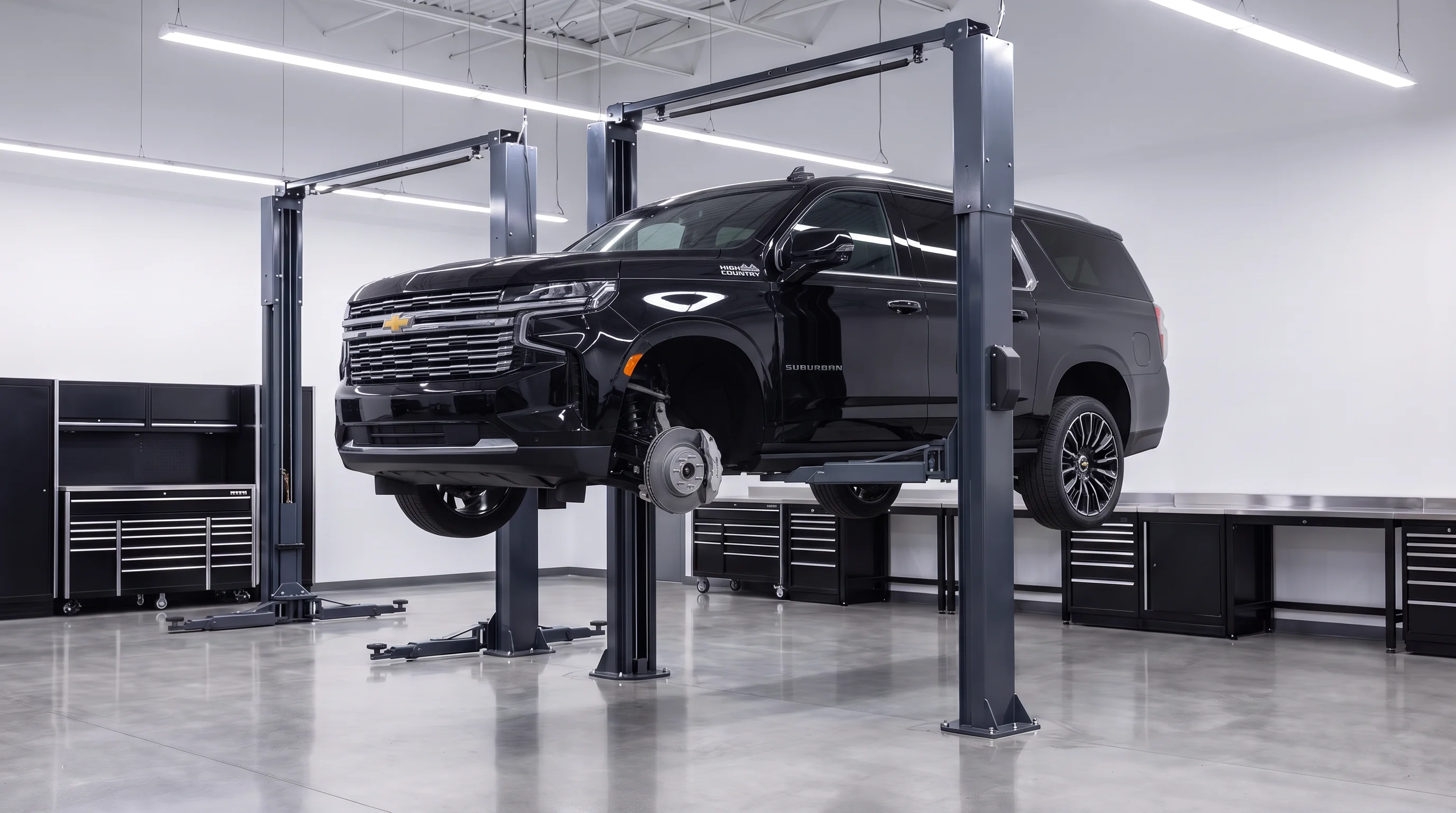
A standard full brake service includes replacing friction brake pads or shoes, resurfacing or replacing worn brake rotors, cleaning and lubricating caliper slide pins and contact points, installing new hardware clips, inspecting hydraulic brake lines and hoses, and flushing or topping off the brake fluid.
When maintaining a vehicle’s stopping system, completing a thorough repair involves far more than simply dropping in a new set of friction pads. Over thousands of miles, thermal cycling, road friction, and environmental exposure break down hardware clips, contaminate hydraulic fluid, and cause uneven mechanical wear across rotors and calipers. Addressing every connected component during a single service visit ensures predictable pedal feel, eliminates unwanted noise, and prevents uneven pad wear down the road.
During a standard maintenance visit at our facility, technicians complete a multi-point evaluation of the entire braking system before replacing any parts. This includes examining the caliper pistons for hydraulic fluid seepage, checking slide pins for corrosion or binding, and testing the brake fluid’s boiling point and moisture concentration. If friction material has worn down to roughly 3 mm — the replacement threshold most manufacturers specify, and one step ahead of the 2 mm point where the built-in wear indicator begins contacting the rotor — or if rotors show heat scoring beyond resurfacing tolerances, fresh components built to original equipment specifications are installed. Replacing worn hardware kits and applying high-temperature lubricant to sliding surfaces ensures the new friction material retracts properly after every stop, protecting against premature wear and drag.
For drivers planning a service visit, our service center at 1035 E Main St, Waynesboro, PA 17268 is fully equipped with factory diagnostics and specialized tools. If you are hearing unusual noises or experiencing a soft brake pedal, call our service team at 717-762-3141 to speak with an advisor, or review our brake service and repair page for full details and current offers.
The information in this article is general guidance and does not constitute a specific diagnostic or repair recommendation for any individual vehicle. Repair and maintenance decisions should be made in consultation with a certified technician based on the specific condition of your vehicle.
Inside a Professional Brake Inspection
A professional brake inspection measures pad thickness across all four wheels, tests rotor thickness and lateral run-out using precision gauges, inspects caliper slide pin movement, checks flex hoses for cracking or swelling, and tests brake fluid moisture content.
A thorough physical examination starts with removing all four wheels so the technician can view internal components under load and measure wear against factory discard limits. Digital calipers measure pad friction material at multiple points to spot inner-to-outer or side-to-side alignment discrepancies. Technicians also place a dial indicator against the rotor face to check for lateral run-out, the microscopic wobble responsible for brake pedal pulsation during highway braking.
Beyond measuring friction components, technicians evaluate the hydraulic and mechanical control hardware. Caliper boots and slide pins are inspected to verify that seals remain intact and pins move freely without binding. Flexible rubber brake hoses receive visual and physical checks for external dry rot, internal structural collapse, or outer rubber cracking. Finally, a brake fluid refractometer or electronic moisture tester measures water content inside the brake fluid reservoir, identifying whether the fluid needs flushing to protect internal master cylinder seals.
Vehicles navigating the rolling foothill routes around Quincy Township frequently place higher demand on secondary braking components due to frequent elevation shifts and rural roadway stops. Catching slide pin binding or thin friction material early during routine checks prevents severe rotor damage.
Warning Signs Your Vehicle Needs Brake Service
The most common signs that a vehicle requires brake service include high-pitched squealing, metal-on-metal grinding, pedal pulsation under deceleration, a spongy pedal feel, steering wheel pull while stopping, or an illuminated ABS or brake warning light.
High-Pitched Squealing
The built-in wear sensor is contacting the rotor face.
Metal-on-Metal Grinding
Friction material is depleted and the backing plate is scoring the rotor.
Pedal Pulsation
Warped rotors or uneven pad deposits across the rotor surface.
Spongy Pedal Feel
Air trapped in the hydraulic lines or degraded brake fluid.
Steering Pull While Stopping
A stuck caliper slide pin or a partially restricted hydraulic line.
ABS or Brake Warning Light
Audible warning indicators are engineered directly into modern friction pads to alert drivers before mechanical damage occurs. A high-pitched screeching sound when applying gentle pedal pressure typically indicates that the pad’s built-in wear sensor is contacting the rotor face. Ignoring this sound eventually leads to a harsh, metallic grinding noise, which signals that friction material is completely depleted and the steel backing plate is scoring the brake rotor.
Changes in physical feedback through the steering wheel or brake pedal provide immediate clues regarding system health. A rhythmic vibration felt through the pedal during deceleration points to warped rotors or uneven pad deposits across the rotor surface. If the vehicle pulls noticeably toward one side while stopping, a caliper slide pin may be stuck or a hydraulic line may be partially restricted. A pedal that feels unusually soft or travel distance that increases before deceleration begins often signals air trapped inside the hydraulic lines or degraded brake fluid.
Frequent stop-and-go driving involves constant acceleration and braking cycles that accelerate heat accumulation in friction assemblies. Monitoring pedal feel and listening for squeals during daily commutes helps drivers schedule maintenance before minor wear turns into costly component replacements.
The information in this article is general guidance and does not constitute a specific diagnostic or repair recommendation for any individual vehicle. Repair and maintenance decisions should be made in consultation with a certified technician based on the specific condition of your vehicle.
Brake Service and Inspection Timelines
A standard professional brake inspection takes between 30 and 60 minutes, replacing brake pads on a single axle generally takes 30 to 60 minutes of labor, and replacing both pads and rotors across all four wheels generally takes two to three hours.
Brake Inspection
30 to 60 minutes
Pads, One Axle
30 to 60 minutes of labor
Pads and Rotors, Four Wheels
Two to three hours
Inspection times depend on whether the vehicle is undergoing a basic visual check during an oil change or a dedicated diagnostic teardown. During a standard maintenance visit, removing all four wheels, measuring pad and rotor thickness with micrometer tools, checking slide pin operation, and testing fluid moisture content takes under an hour. Once the visual evaluation is complete, the shop provides a clear condition report detailing remaining friction life and recommended repairs.
Execution time for actual service depends on the scope of work required. Swapping friction pads on one axle is a straightforward procedure requiring roughly 30 to 60 minutes of labor time. However, performing a comprehensive four-wheel service that involves installing fresh rotors, flushing hydraulic lines, cleaning caliper slide bores, and bedding in new friction material requires two to three hours of hands-on technician labor. Vehicles with electric parking brakes or complex integrated electronic stability modules may require additional time, since releasing the parking brake for rear pad and rotor work is a scan tool procedure on GM vehicles.
Planning ahead makes routine maintenance easy to fit into a busy schedule. Driver safety and component longevity rely on staying ahead of service intervals, which is why Chevrolet’s maintenance schedule pairs a brake inspection with the 7,500-mile service interval, alongside the tire rotation and oil change. You can save time by scheduling a service appointment online before bringing your vehicle to our service center.
Rotor Resurfacing vs. Replacement, Caliper Servicing, and Fluid Flushes Explained
Brake rotors are resurfaced on a precision lathe only when their remaining metal thickness exceeds factory discard specifications, whereas rotors with deep heat grooves, structural cracks, or thin profiles must be replaced.
| Maintenance Service | Recommended Criteria / Threshold | Primary Technical Objective |
|---|---|---|
| Rotor Resurfacing | Rotor thickness remains well above minimum discard spec with light surface scoring | Restores a smooth, parallel friction surface for new pads |
| Rotor Replacement | Rotor thickness is at or near minimum discard spec, or shows deep heat cracking | Preserves safe brake piston travel and hydraulic system integrity, along with structural strength under heavy braking |
| Caliper Servicing | Performed at every pad change or whenever slide pins show corrosion | Prevents pad dragging, uneven taper wear, and stuck calipers |
| Brake Fluid Flush | Interval varies by model — follow the schedule in your owner’s manual; general industry guidance falls in the two to three year range | Removes absorbed moisture, prevents fluid boiling, and guards against internal corrosion |
Rotor resurfacing involves mounting the rotor on a shop lathe to shave off a thin layer of metal, smoothing out light scoring and surface imperfections. However, modern rotors are manufactured to tight thickness tolerances, and every pass on the lathe removes metal the rotor cannot get back. The discard limit exists primarily to protect brake piston travel and hydraulic integrity — a rotor worn to minimum pushes the caliper piston far enough out that seal leakage and a sinking pedal become real risks — with reduced thermal mass as a secondary consequence. If a micrometer measurement reveals that machining the rotor will leave it near or below the manufacturer’s discard limit, replacing the unit with a fresh casting is the only safe option.
Caliper servicing and fluid flushing are essential supporting tasks during any major brake overhaul. Calipers utilize sliding pins encased in rubber boots to center the clamping force evenly across both sides of the rotor. Rust and brake dust buildup inside slide pin bores cause pins to stick, leading to severe inner pad wear and drag. At the same time, hydraulic brake fluid is hygroscopic, meaning it absorbs atmospheric humidity over time — primarily through the reservoir, and secondarily through rubber flex lines and seals. The effect is measurable: new DOT 3 fluid is required to boil above 401 degrees Fahrenheit, but at roughly 3 percent water content that figure falls to about 293 degrees, barely above the 284 degree federal minimum for wet boiling point. That is when pedal fade during high-load stopping becomes a genuine risk.
Installing genuine components guarantees proper fitment and heat resistance across all driving conditions. When performing maintenance at home or ordering replacement components, visiting our parts center ensures access to original equipment brake pads, rotors, and hardware.
The information in this article is general guidance and does not constitute a specific diagnostic or repair recommendation for any individual vehicle. Repair and maintenance decisions should be made in consultation with a certified technician based on the specific condition of your vehicle.
The Advantages of a Professional Service Center
Professional service centers offer certified technicians trained on factory specifications, OEM parts built for precise fitment, specialized diagnostic equipment, documented vehicle maintenance histories, and parts and labor limited warranties.
Working with an authorized dealer service center guarantees that your vehicle receives components designed specifically for its platform dynamics. Factory-trained mechanics follow precise torque specifications for caliper bolts, wheel lugs, and bracket mounts, preventing stripped threads or loose hardware. Furthermore, professional facilities use computerized diagnostic tools to perform automated ABS module bleed routines and release electronic parking brake actuators, steps that are difficult or impossible to complete correctly in a home garage.
Documented repair records created at a professional facility preserve your vehicle’s service history, which supports overall resale value. Professional installations also carry parts and labor coverage. Most GM Genuine Parts Original Equipment parts and ACDelco OE and Gold line parts are backed by a 24-month, unlimited-mile limited warranty, and ACDelco Silver line parts by a 12-month, unlimited-mile limited warranty, with labor included when the part is installed by a General Motors dealership.
Source: GM Genuine Parts and ACDelco limited warranty terms, gmparts.com/warranty.
This information is provided for general educational purposes only and does not constitute legal advice. Warranty coverage depends on the specific terms of your vehicle’s warranty agreement. Consult your owner’s manual or a qualified legal professional for guidance on your individual situation.
Common Questions About Professional Brake Maintenance
How long does a standard brake inspection take at a service center?
Roughly 30 to 60 minutes. That window covers removing all four wheels, measuring pad and rotor thickness against factory discard specs, inspecting caliper slide pins, examining hydraulic lines, and testing fluid moisture levels.
How often should brake fluid be flushed in a passenger car or truck?
Follow the interval published in your owner’s manual, since it varies by model. General industry guidance falls in the two to three year range, and fluid condition is checked as part of the multi-point inspection at each scheduled service. Brake fluid naturally absorbs moisture from the air over time, which lowers its boiling point and can lead to internal corrosion within the master cylinder and ABS pump.
Can I drive my car if the brake wear indicator is squealing?
You can drive short distances to a service facility, but you should schedule an inspection within a few days. The high-pitched squeal is an audible wear indicator warning you that pad material is thin. Delaying service will lead to metal-on-metal contact that damages the rotors.
What is the difference between resurfacing a brake rotor and replacing it?
Resurfacing shaves a tiny layer of metal off the rotor face using a shop lathe to smooth out minor grooves, provided the rotor stays above minimum discard thickness. Replacement involves installing a completely new rotor casting when the old rotor is too thin, warped, or deeply cracked.
Why does my brake pedal feel soft or spongy when I press it?
A soft or spongy brake pedal usually indicates air trapped inside the hydraulic brake lines, severely degraded brake fluid with high water content, or an internal seal leak inside the master cylinder. The hydraulic system requires immediate professional bleeding and inspection to restore firm pedal pressure.
The information in this article is general guidance and does not constitute a specific diagnostic or repair recommendation for any individual vehicle. Repair and maintenance decisions should be made in consultation with a certified technician based on the specific condition of your vehicle.
For complete vehicle maintenance, expert brake repairs, or routine inspections, our service team at Buchanan Automotive Chevrolet is ready to assist. Visit our service bay at 1035 E Main St, Waynesboro, PA 17268 or call our team directly at 717-762-3141 to schedule your service appointment. For more maintenance guidance, browse our full Service and Parts Tips library.
Disclaimers
The information in this article is general guidance and does not constitute a specific diagnostic or repair recommendation for any individual vehicle. Repair and maintenance decisions should be made in consultation with a certified technician based on the specific condition of your vehicle.
This information is provided for general educational purposes only and does not constitute legal advice. Warranty coverage depends on the specific terms of your vehicle’s warranty agreement. Consult your owner’s manual or a qualified legal professional for guidance on your individual situation.
Source: GM Genuine Parts and ACDelco limited warranty terms, gmparts.com/warranty.
