


Determining the Real Market Value of Your Trade-In
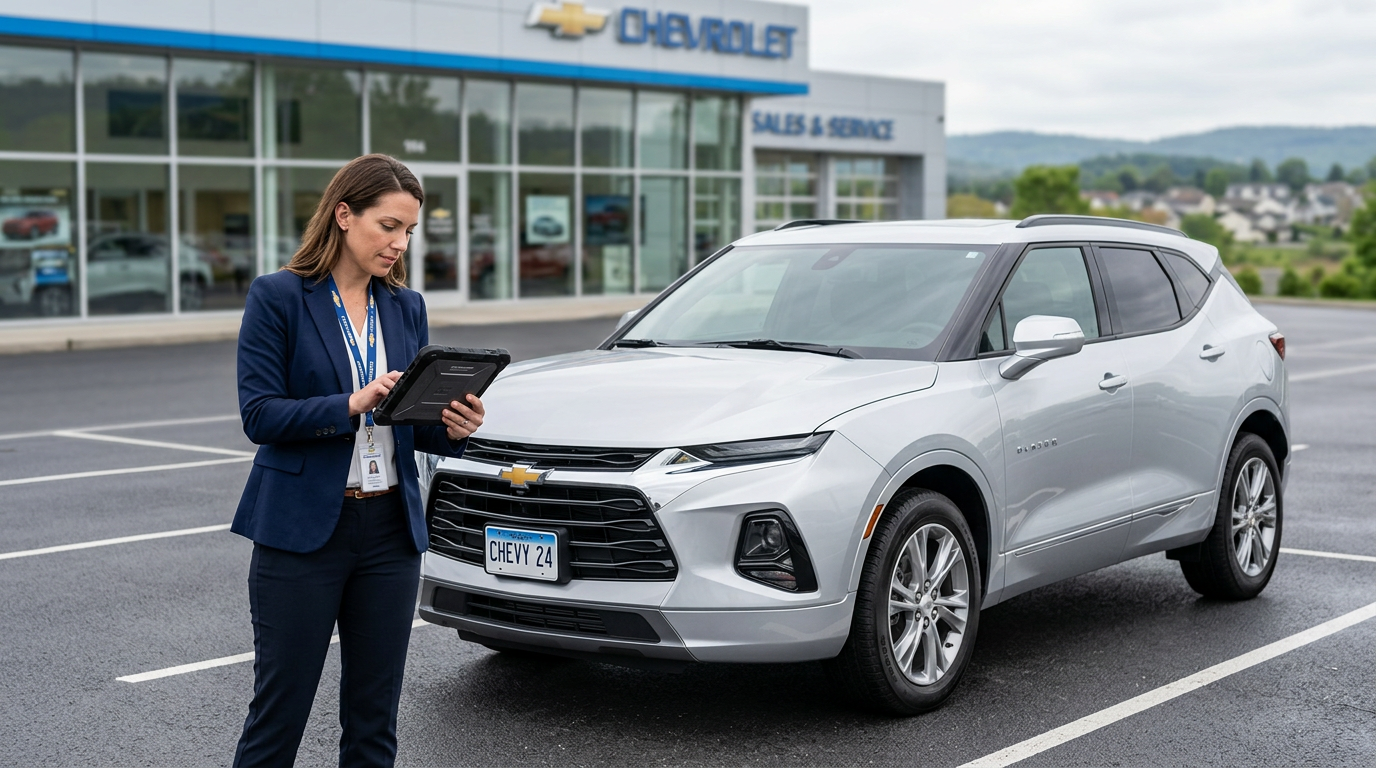
One of the first things to understand when preparing to upgrade your ride is how a dealership determines the actual cash value of your current vehicle. The process is not a guessing game; it is a systematic evaluation based on real-world market metrics. When you decide to trade in a vehicle, the transaction begins with a professional appraisal. A specialist looks at several critical factors, including the model year, exact odometer reading, overall cosmetic condition, structural history, and local consumer demand.
While third-party pricing guides offer a helpful starting point, they only paint a partial picture. Kelley Blue Book, Edmunds, and NADA Guides are standard reference sources buyers can check before trading in a vehicle to compare estimated value ranges. However, these digital tools rely on regional averages that do not always capture the immediate needs of our local market. For instance, a well-maintained truck or all-wheel-drive crossover is highly sought after by drivers navigating the rolling terrain and seasonal winter weather in Greencastle. Local demand can cause the actual cash value of these specific body styles to rise above broad national estimates.
To get the most precise figure for your budget, we highly recommend an on-site physical inspection. You can easily begin this process from the comfort of your home by using our online tool to value your trade. This digital resource provides a reliable baseline by matching your vehicle’s specific details with current wholesale transactions.
Once you have your initial estimate, you can finalize the offer by scheduling an in-person appraisal. If you are ready to take the next step or have questions about how local market trends affect your vehicle’s worth, feel free to give our team a quick call. When you are ready to visit our showroom for a physical inspection, you can easily find our dealership directions online to plan your trip.
Table of Contents
- Why Trade-In Offers Differ from Private Party Sales
- How Appraisers Inspect Mechanical Wear and Modifications
- Navigating Negative Equity and Outstanding Car Loans
- Why Experts Keep Trade-In and Purchase Negotiations Separate
- Common Questions About the Vehicle Appraisal Process
- Maximizing Your Vehicle Value at Buchanan Automotive
- Quick Answers Before You Visit
Why Trade-In Offers Differ from Private Party Sales
A common question many vehicle owners ask is why dealership trade-in offers are typically lower than the prices seen in private-party listings. The answer lies in the financial risk, reconditioning costs, and administrative labor that a dealership assumes on your behalf. When you sell a car yourself, you must invest significant time into cleaning the vehicle, taking photographs, listing it online, answering inquiries, and meeting with strangers for test drives. You also bear the burden of handling the title transfer, securing certified funds, and managing any potential post-sale mechanical complaints.
In contrast, trading your vehicle to a dealership is an immediate, single-step transaction that eliminates these headaches. Once we acquire a vehicle, our team must invest in comprehensive safety inspections, structural detailing, and mechanical reconditioning to prepare it for our retail lot. We also assume the financial risk of holding that inventory, which may sit for weeks or months as market values fluctuate. For example, if we accept a trade-in and place it in our used inventory, we must back that vehicle with our dealership’s reputation and local compliance standards.
Furthermore, trading in a vehicle offers a significant tax advantage in many states. In Pennsylvania, you only pay sales tax on the difference between the purchase price of your new vehicle and the value of your trade-in. This tax credit can easily save you hundreds of dollars, effectively closing the gap between a dealer’s trade-in offer and a private-party sale price. If you are looking to transition into a highly efficient commuter vehicle like the electric Blazer EV, this tax savings can be directly applied to reduce your overall drive-away cost.
How Appraisers Inspect Mechanical Wear and Modifications
How do professional appraisers evaluate the mechanical health of your vehicle during a physical inspection? Unlike a casual buyer, a professional appraiser conducts a highly structured assessment to identify hidden issues that could impact the vehicle’s retail viability. This evaluation typically includes a brief road test to check engine performance, steering alignment, and braking response. The appraiser also scans the onboard diagnostic system for active fault codes, checks for fluid leaks under the hood, and inspects the depth and wear patterns of the tires.
To illustrate how mechanical integrity impacts valuation, we can look at a high-volume vehicle like the 2026 Chevrolet Silverado 1500. If a customer trades in a Custom trim equipped with the standard 2.7L Turbo engine, the appraiser expects the 8-speed automatic transmission to shift smoothly and deliver the factory-specified 310 hp and 430 lb-ft of torque without hesitation. If the vehicle exhibits transmission slipping or suspension wear, the estimated cost of those repairs will be deducted from the final trade-in offer.
Aftermarket modifications also play a major role in the appraisal process. While custom wheels, exhaust systems, or suspension lift kits may seem like valuable upgrades, they often reduce a vehicle’s trade-in value. Mainstream dealerships value vehicles closest to original factory specifications because modified vehicles are more difficult to sell to a broad audience and may void remaining factory warranties. If you are considering trading in an older vehicle to transition to a modern electric commuter like the Bolt EV, keeping your current vehicle as close to stock condition as possible is the best way to preserve its value.
Before you visit the dealership for an appraisal, you can start planning your next purchase by taking a few minutes to prequalify online. This helps establish your buying power so you can make an informed decision once your trade-in offer is finalized.
Engine & Performance
Powertrain specs by trim
| Feature | Custom | Custom Trail Boss | High Country | LT | LT Trail Boss | LTZ | RST | Work Truck | ZR2 |
|---|---|---|---|---|---|---|---|---|---|
| Engine | 2.7L | 2.7L | 5.3L | 2.7L | 2.7L | 5.3L | 2.7L | 2.7L | 3.0L |
| Horsepower | 310 hp | 310 hp | 355 hp | 310 hp | 310 hp | 355 hp | 310 hp | 310 hp | 305 hp |
| Torque | 430 lb-ft | 430 lb-ft | 383 lb-ft | 430 lb-ft | 430 lb-ft | 383 lb-ft | 430 lb-ft | 430 lb-ft | 495 lb-ft |
| Transmission | 8-speed automatic | 8-speed automatic | 10-speed automatic | 8-speed automatic | 8-speed automatic | 10-speed automatic | 8-speed automatic | 8-speed automatic | 10-speed automatic |
| Drivetrain | Rear-wheel drive | Four-wheel Drive | Rear-wheel drive | Rear-wheel drive | Four-wheel Drive | Rear-wheel drive | Rear-wheel drive | Rear-wheel drive | Four-wheel Drive |
Navigating Negative Equity and Outstanding Car Loans
Can you trade in a vehicle if you still owe money on your auto loan? The answer is yes, but the process requires a clear understanding of your current equity position. If your vehicle is worth more than the remaining balance on your loan, you have positive equity, which can be directly applied as a down payment on your next purchase. However, if you owe more than the vehicle’s current market value, you are in a situation known as being “upside down” or having negative equity.
When you have negative equity, that outstanding debt does not simply disappear. To complete the trade-in, the difference between your loan payoff amount and the vehicle’s appraised value must be resolved. You have two primary ways to handle this:
- Pay the Difference Out of Pocket: You can pay the negative equity balance directly to the lender at the time of the trade-in to clear the title.
- Roll the Balance Into the New Loan: Many lenders allow you to roll the negative equity into your new vehicle’s financing. While this option is convenient, it increases your new monthly payments and means you will be borrowing more than the new vehicle is worth.
If you choose to roll the balance over, it is highly beneficial to select a replacement vehicle that helps offset the added debt. For example, you might browse our used vehicles under $25,000 to keep your total loan amount manageable. Alternatively, if you are looking for a premium truck with strong long-term value retention, you can explore the GMC model showroom to find a vehicle that fits your lifestyle. Regardless of your path, our finance team is here to help you navigate the paperwork. You can get started today by submitting a secure credit application online to review your financing options.
Why Experts Keep Trade-In and Purchase Negotiations Separate
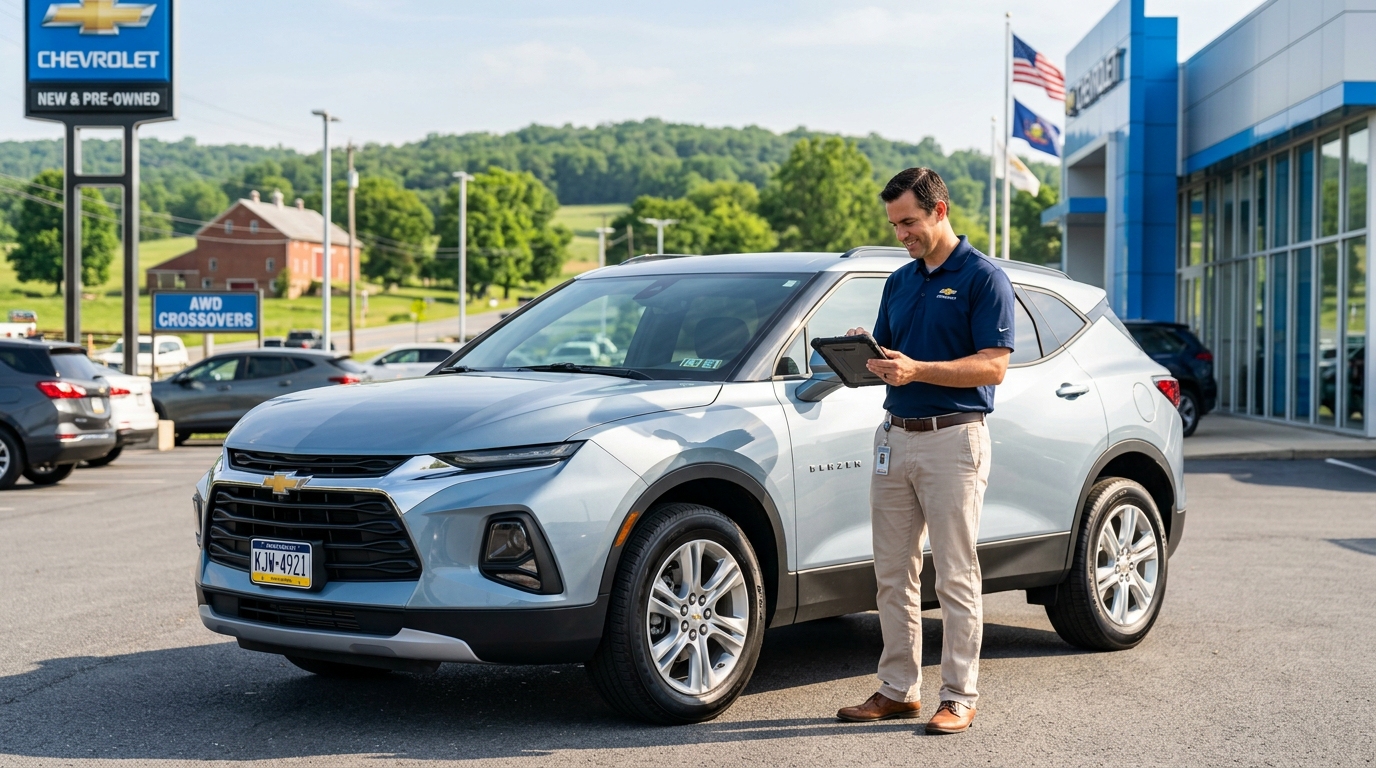
Many consumer advocates and automotive experts recommend keeping your trade-in evaluation and your new vehicle purchase negotiations completely separate. The reason for this strategy is simple: it prevents multiple complex financial figures from being blended together. When a salesperson combines the price of the new car, the value of your trade-in, and the terms of your financing into a single conversation, it becomes very easy to lose track of what you are actually paying for each component of the transaction.
For example, a dealership might offer you an exceptionally high value for your trade-in, only to offset that generic discount by charging full sticker price for the new vehicle. Conversely, they might offer a steep discount on the new car’s MSRP but offer you far less than your trade-in is actually worth. By treating these as two distinct transactions, you ensure that you get a fair, market-aligned price on both sides of the deal.
When you shop with us, our team supports this transparent approach. We recommend negotiating the purchase price of your next vehicle first. You can browse our new-vehicle inventory to find the exact model and trim level that meets your needs. Once you have established a fair purchase price on a model—such as the advanced, all-electric Silverado EV—you can then introduce your trade-in vehicle for a formal, independent appraisal. This clean separation of numbers ensures you can make a highly confident decision.
Pricing
Pricing by trim
| Feature | Custom | Custom Trail Boss | High Country | LT | LT Trail Boss | LTZ | RST | Work Truck | ZR2 |
|---|---|---|---|---|---|---|---|---|---|
| Base MSRP | $42,400 | $52,900 | $62,900 | $47,900 | $59,700 | $58,100 | $51,400 | $36,900 | $71,800 |
| Destination charge | $2,795 | $2,795 | $2,795 | $2,795 | $2,795 | $2,795 | $2,795 | $2,795 | $2,795 |
Fuel Economy
Fuel economy and range by trim
| Feature | Custom | Custom Trail Boss | High Country | LT | LT Trail Boss | LTZ | RST | Work Truck | ZR2 |
|---|---|---|---|---|---|---|---|---|---|
| MPG | 18 city / 21 hwy / 20 combined | 16 city / 17 hwy / 17 combined | 16 city / 20 hwy / 17 combined | 18 city / 21 hwy / 20 combined | 17 city / 21 hwy / 19 combined | 16 city / 20 hwy / 17 combined | 18 city / 21 hwy / 20 combined | 18 city / 21 hwy / 20 combined | 20 city / 23 hwy / 21 combined |
Common Questions About the Vehicle Appraisal Process
How do current market conditions and vehicle history records impact the appraisal process? Many drivers in Martinsburg commute daily to larger metropolitan areas, which can quickly accumulate miles and wear on a vehicle. Because of these driving patterns, local buyers are often highly focused on documented service histories and mechanical reliability. When our appraisers evaluate a vehicle, a clean history report showing regular oil changes and timely maintenance can significantly boost our confidence in the vehicle’s long-term durability, leading to a stronger trade-in offer.
If you are looking to trade in your current vehicle, you might be wondering what types of vehicles are in the highest demand. High-volume models with proven utility and local appeal consistently command strong values on our lot. If you are looking to transition into a versatile, family-friendly crossover, you can explore the Equinox EV to enjoy modern electric efficiency.
For those who prefer traditional utility or premium options, we also offer access to excellent regional resources. You can browse a wide selection of robust pre-owned options through our partner GMC used vehicle listings, or check out the latest work-ready trucks by exploring the GMC new vehicle listings online. Comparing these options side-by-side helps you determine which body style and capability level best matches your daily routine.
Maximizing Your Vehicle Value at Buchanan Automotive
Our team at Buchanan Automotive Chevrolet is committed to making your trade-in experience completely transparent, stress-free, and highly rewarding. Whether you are looking to upgrade to a brand-new truck or simply want to sell your current vehicle for cash, we provide straightforward appraisals based on real-time local market data. For example, if you are trading in a premium truck like the 2026 GMC Sierra 1500 Denali, which features a starting MSRP of $66,000 and a destination charge of $2,795, we evaluate its advanced 3.0L Turbo-Diesel engine and 10-speed automatic transmission to ensure you receive an offer that reflects its premium value.
We handle all of the complex paperwork, including outstanding loan payoffs and title transfers, so you can focus on finding your next vehicle. If you want to explore additional truck and SUV options, you can also visit our sister store, Buchanan GMC, to compare lineups.
We invite you to stop by our showroom today to experience our customer-first philosophy in person. If you have any questions before your visit, please give our team a call at (833) 669-0849. When you are ready to drive in for your physical appraisal, you can easily access our dealership map and directions online to plan your route.
Quick Answers Before You Visit
Q: Can I get a trade-in value estimate without visiting the dealership in person?
Yes. You can use our online valuation tool to receive an initial estimate based on your vehicle’s mileage, trim, and condition. However, because digital tools cannot verify mechanical health or paint depth, an in-person inspection at our showroom is required to generate a finalized, guaranteed cash offer.
Q: Should I fix a check engine light before trading in my car?
In most cases, it is more cost-effective to leave the light on. Because our dealership has on-site diagnostic equipment and wholesale access to parts, we can typically diagnose and resolve mechanical issues at a much lower cost than a retail repair shop. We will simply deduct the estimated internal repair cost from your trade-in value.
Q: Can I trade in a vehicle that has a salvaged or rebuilt title?
Yes, but the title status will significantly impact the vehicle’s valuation. Vehicles with salvaged or rebuilt titles cannot be resold as certified pre-owned units on our retail lot, meaning they are typically valued at wholesale salvage rates or destined for specialized auctions.
Q: What documents must I bring to the dealership for a trade-in appraisal?
Please bring your driver’s license, the vehicle’s current registration card, and the physical title if you own the car outright. If you have an active auto loan, bring your current statement or payoff letter from your lender, along with all sets of keys and any service history records.
Q: How do current market conditions affect my trade-in value?
Used-car values fluctuate based on factory production volumes, regional demand, and seasonal patterns. When regional inventory is low, dealerships often offer higher values to secure quality trade-ins for their pre-owned lots, making it a highly advantageous time to upgrade.
Keep Your Vehicle Running Strong
Keep your vehicle performing at its best with our service team:
© 2026 Buchanan Automotive Chevrolet. All rights reserved.

0 comment(s) so far on Determining the Real Market Value of Your Trade-In