

Unlock Maximum Vehicle Lifespan and Warranty Protection with Simple Maintenance Habits
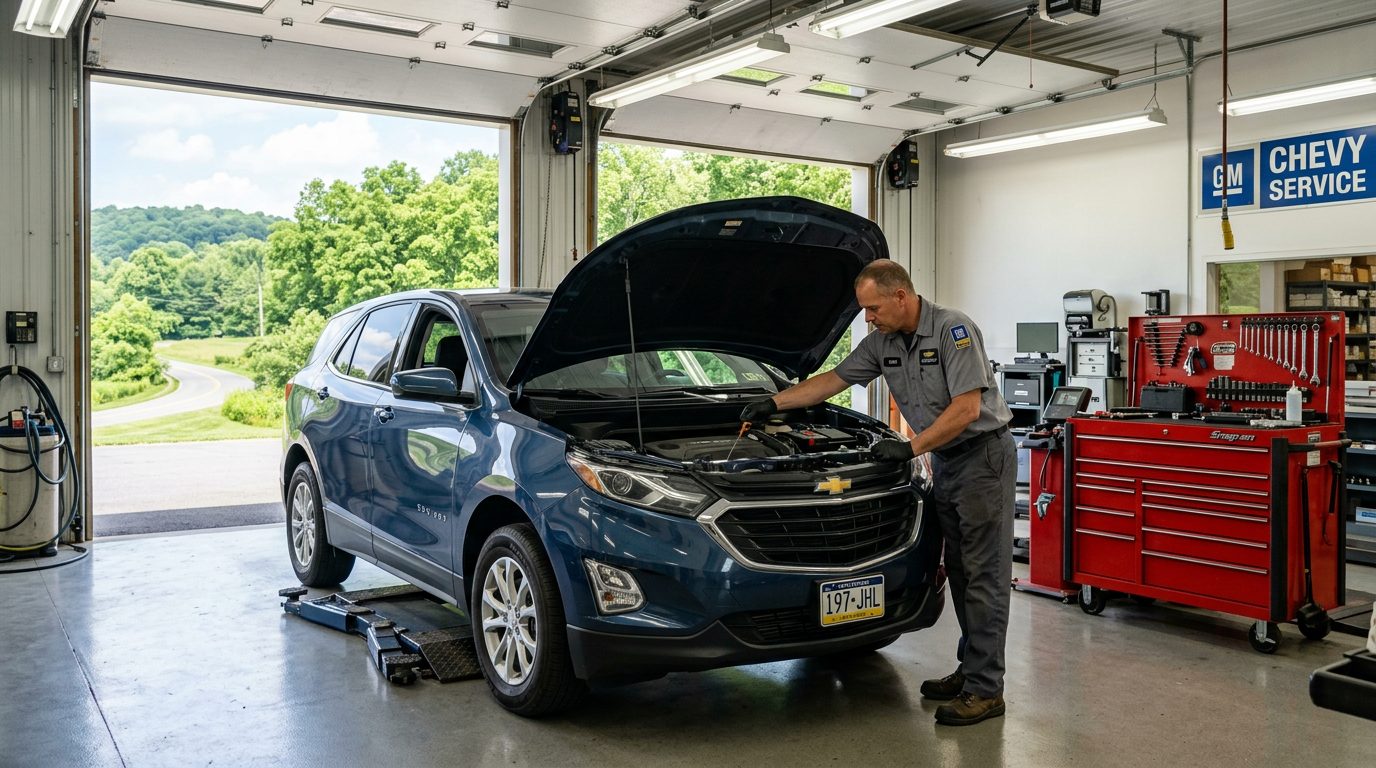
A structured vehicle maintenance schedule is the foundation of long-term automotive reliability [1]. Modern vehicles rely on a precise sequence of tasks, including fluid checks, engine oil changes, and brake inspections, to keep mechanical components operating within their engineered tolerances [1]. Following these manufacturer-specified intervals helps protect the factory powertrain warranty while preventing minor wear from escalating into severe mechanical failures [1].
The rolling terrain of the Cumberland Valley around Hagerstown means local engines and transmissions work harder during daily commutes, accelerating fluid breakdown. Neglecting routine care under these driving conditions can lead to reduced engine life, overheating, and compromised safety systems [1]. To keep your vehicle running smoothly, you can easily schedule a service appointment online with our certified technicians.
For those looking to transition to a different vehicle, maintaining a complete, documented service history also maximizes value when you decide to sell your car [1]. A fully stamped maintenance log proves to future buyers that the vehicle was cared for properly [1]. If you are browsing our used GMC models or exploring new GMC options, having a plan for routine care ensures your investment remains protected. Our team at 1035 E Main St, Waynesboro, PA 17268 is ready to help; you can find directions to our service center or give our staff a quick call to discuss your vehicle’s specific maintenance needs. If you are planning a future purchase, you can also prequalify online to streamline your next visit.
Table of Contents
- What Usually Gets Checked During a Multi Point Vehicle Inspection
- The Mechanics of an Engine Oil Change and the Synthetic Fluid Debate
- How To Tell When Your Brakes Need Service and What Grinding Noises Mean
- Tire Rotation Intervals and the True Risks of Delaying Scheduled Care
- Understanding Factory Warranties and the Value of Certified Dealership Maintenance
- Common Questions About Keeping Your Vehicle in Peak Condition
- Schedule Certified Service at Buchanan Automotive
What Usually Gets Checked During a Multi Point Vehicle Inspection
A routine multi point vehicle inspection acts as a comprehensive health check for your car, truck, or SUV [1]. During this process, factory-trained technicians systematically examine key safety and performance systems to ensure everything meets strict manufacturer standards [1]. This diagnostic check goes far beyond a simple visual pass, utilizing advanced diagnostic tools to read system codes and measure wear tolerances [2].
The inspection covers several critical areas of the vehicle:
- Fluid levels and condition, including engine oil, coolant, transmission fluid, power steering fluid, and brake fluid [1].
- The braking system, measuring brake pad thickness and inspecting rotors, calipers, and brake lines for signs of wear or leaks [1].
- Tire condition, checking tread depth, wear patterns, and adjusting tire pressure to specification [1].
- Under-hood components, such as the battery charge level, belts, hoses, and air filters [1].
- Steering and suspension systems, looking for play or damage in shocks, struts, and tie rods [1].
Driving near the dusty trails of Michaux State Forest or commuting through Chambersburg can expose your vehicle to road debris, gravel, and moisture, which accelerate the wear of filters and chassis parts. To keep drivers informed, our service department provides digital inspection reports [2]. These reports often include photos or videos of specific components, such as a worn cabin air filter or thin brake pads, allowing you to see exactly what needs attention before approving any work [2]. If a replacement is necessary, our parts department supplies genuine OEM components designed specifically for your model’s exact engineering standards [1].
The Mechanics of an Engine Oil Change and the Synthetic Fluid Debate
An engine oil change is one of the most frequent and vital maintenance tasks a vehicle requires. In plain terms, motor oil is the lifeblood of an internal combustion engine. It circulates through the engine block to lubricate moving parts, reducing the intense friction and heat generated during combustion. Over time, engine oil absorbs dirt, carbon deposits, and microscopic metal shavings, causing it to break down, lose its viscosity, and turn into a thick sludge that can damage internal components.
During a professional oil change, technicians drain the old, contaminated oil, replace the oil filter with a fresh one, and refill the crankcase with clean oil of the correct viscosity grade [1]. While traditional gasoline engines rely heavily on this process, drivers transition to electric vehicles like the Bolt EV to eliminate the need for traditional oil changes entirely, though they still require other routine fluid checks and tire maintenance.
For gasoline-powered vehicles, choosing between synthetic and conventional oil is a common decision. Synthetic oil is highly refined and engineered to resist thermal breakdown far better than conventional oil. It provides superior engine protection in extreme temperatures, flows more easily during cold startups, and maintains its lubricating properties longer. Although synthetic oil carries a higher upfront cost, its ability to extend oil change intervals and protect critical engine parts makes it a highly cost-effective choice for long-term vehicle health.
How To Tell When Your Brakes Need Service and What Grinding Noises Mean
A vehicle’s braking system relies on friction to bring thousands of pounds of steel to a safe stop. Recognizing the early warning signs of brake wear is crucial for preventing expensive rotor damage and ensuring passenger safety. Common indicators that your brakes require professional attention include a soft or spongy brake pedal, steering wheel vibrations during deceleration, and noticeably longer stopping distances.
A high-pitched squealing sound when applying the brakes is typically caused by a small metal wear indicator built into the brake pad, designed to alert the driver that the friction material is running thin. If this warning is ignored, the pads will wear down completely, leading to a harsh grinding noise. This grinding signifies metal-on-metal contact, where the bare metal backing plate of the brake pad is chewing into the brake rotor. This not only severely reduces stopping power but also ruins the rotors, requiring a much more extensive and costly repair.
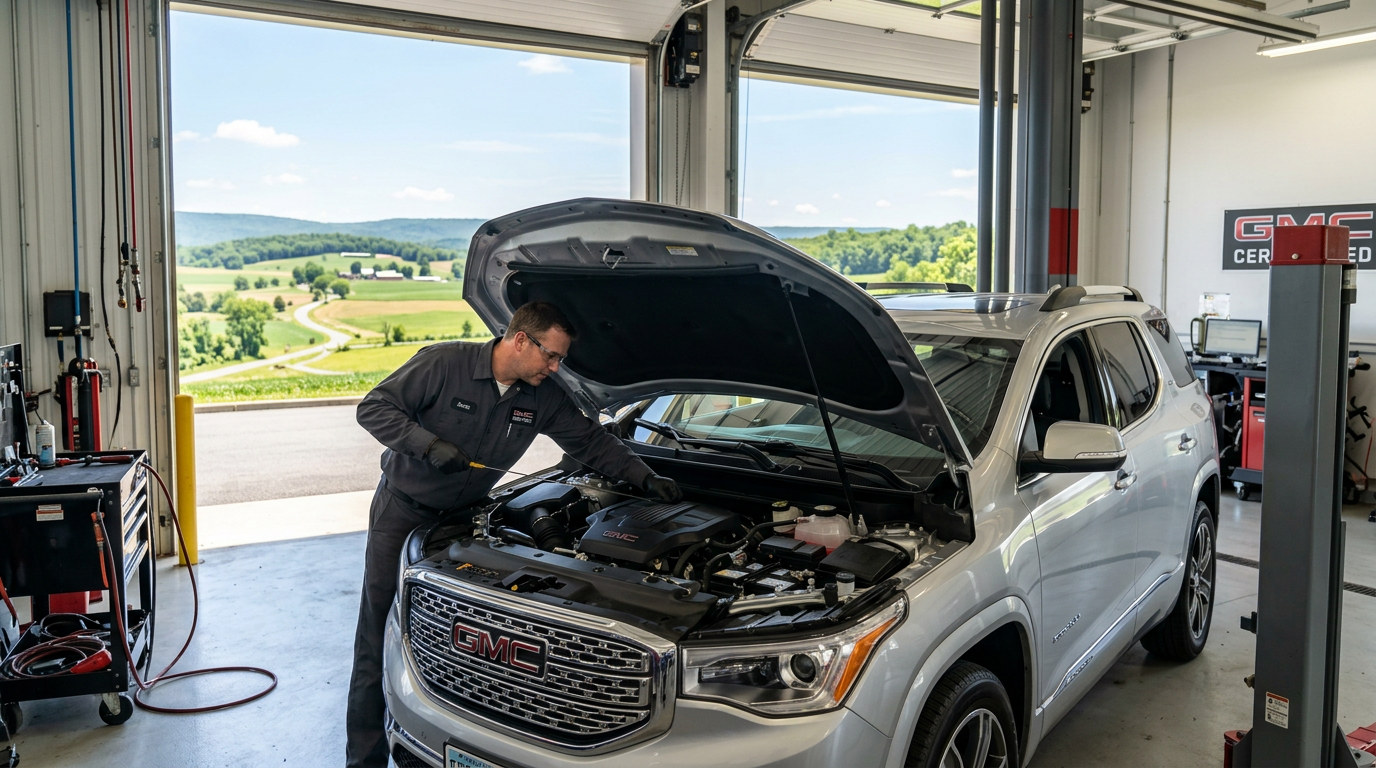
Maintaining the braking system is essential for every vehicle class, from compact cars to heavy-duty trucks. Drivers can explore the brake configurations and safety specifications of different body styles by viewing the GMC model showroom to understand how modern electronic brake assist and trailering brake controllers integrate with physical brake hardware. Routine inspections allow technicians to catch thin pads before they damage other braking components [1].
Tire Rotation Intervals and the True Risks of Delaying Scheduled Care
Tires do not wear evenly on their own. Because the front tires handle the majority of steering and braking forces—and support the weight of the engine in front-wheel-drive vehicles—they typically wear out much faster than the rear tires. Rotating tires involves moving them from front to back and sometimes side to side in a specific pattern, which redistributes the wear and extends the overall lifespan of the tread.
When local drivers call our service desk, they often ask whether driving a few hundred miles past a scheduled service interval will cause immediate mechanical damage. While a brief delay rarely triggers a catastrophic failure, consistently operating a vehicle with overdue maintenance accelerates component wear and increases the risk of unexpected roadside breakdowns [1]. Industry standards generally recommend rotating tires every 5,000 to 7,500 miles, which conveniently aligns with most scheduled oil change intervals. Delaying this simple service can lead to uneven tread wear, which compromises wet-weather traction, reduces fuel efficiency, and can cause vehicle vibrations at highway speeds. Severe uneven wear can also lead to premature tire failure, forcing you to replace a set of tires much sooner than expected.
Proper tire maintenance is equally critical for high-torque electric vehicles. For instance, the heavy battery packs and instant torque of models like the Silverado EV place unique demands on tire tread, making regular rotations essential to maintain optimal grip and range. Keeping your tires properly rotated and balanced ensures a smooth ride and maximizes the safety of your vehicle on all road surfaces.
Understanding Factory Warranties and the Value of Certified Dealership Maintenance
A common misconception among vehicle owners is that they must have all routine maintenance performed at a franchise dealership to keep their factory warranty intact. Under federal law, having your vehicle serviced at an independent repair shop does not void your warranty, provided the work is performed correctly and you maintain detailed receipts and documentation of the services completed [1]. However, choosing a certified dealership for your maintenance needs offers distinct advantages that independent shops cannot match.
Dealership service centers utilize factory-trained technicians who specialize in your specific make and model. They have direct access to proprietary diagnostic software, specialized tools, and the latest technical service bulletins issued by the manufacturer. Furthermore, dealerships exclusively use genuine OEM parts, which are engineered to the exact specifications of your vehicle, ensuring perfect fit and performance [1].
This level of specialized expertise is particularly important for modern vehicles equipped with advanced driver-assist systems and electric powertrains, such as the Equinox EV, which require highly specialized diagnostic equipment. For budget-conscious drivers exploring our used vehicles, certified service ensures that even pre-owned models receive the high-caliber care needed to preserve their reliability and resale value.
Common Questions About Keeping Your Vehicle in Peak Condition
Q: How does cold winter weather affect battery performance and what maintenance is recommended?
Cold temperatures slow down the chemical reactions inside a battery, reducing its cranking power and overall efficiency. For electric models like the Blazer EV, winter weather can temporarily reduce driving range, making cabin pre-conditioning while plugged in a highly recommended practice. Having our technicians perform a battery load test before winter ensures your vehicle has the starting power required for freezing mornings.
Q: What is the difference between a cabin air filter and an engine air filter?
An engine air filter prevents dust, dirt, and debris from entering the engine’s combustion chambers, protecting internal components from abrasive wear. In contrast, a cabin air filter cleans the air entering the passenger compartment through the heating and air conditioning vents, trapping pollen, dust, and allergens. Both filters should be inspected regularly and typically replaced every 15,000 to 22,500 miles depending on local driving conditions.
Q: Are oil change coupons and service bundles actually a good value?
Service bundles and coupons are excellent ways to save money, as dealerships frequently offer them to encourage consistent, preventative vehicle care. It is always wise to review the details of the offer to see if it includes standard shop supplies or environmental disposal fees. Combining services like an oil change, tire rotation, and multi-point inspection into a single visit almost always costs less than scheduling each service individually.
Q: What should I do if my vehicle’s check engine light comes on?
A check engine light indicates that the onboard diagnostic system has detected a malfunction in the emissions, ignition, or fuel system. While a steady light means you should schedule a diagnostic appointment soon, a flashing check engine light indicates a severe misfire that could damage the catalytic converter, requiring you to pull over safely and seek immediate service.
Q: How often should a vehicle’s coolant and brake fluid be flushed?
Brake fluid absorbs moisture over time, which can lower its boiling point and cause internal corrosion in the calipers and master cylinder, typically requiring a flush every two years or 30,000 miles. Engine coolant degrades and loses its rust-inhibiting properties, usually needing replacement every five years or 150,000 miles. Our service team can test the pH and moisture levels of these fluids during a routine multi-point inspection to determine if a flush is necessary.
Schedule Certified Service at Buchanan Automotive
Consistent, preventative maintenance is the most effective way to protect your automotive investment and ensure your vehicle remains safe and reliable [1]. From routine oil changes and tire rotations to complex brake repairs, our factory-trained technicians provide the specialized care your vehicle deserves. If you drive a GMC vehicle, you can also explore specialized care options through Buchanan GMC to keep your truck or SUV performing at its peak. Contact our service department by calling (833) 669-0849 to speak with an advisor, or use our dealership map to find our service bays in Waynesboro.
© 2026 Buchanan Automotive Chevrolet. All rights reserved.

0 comment(s) so far on Unlock Maximum Vehicle Lifespan and Warranty Protection with Simple Maintenance Habits