


How Can You Get the Highest Trade-In Offer From a Dealership in 2026?
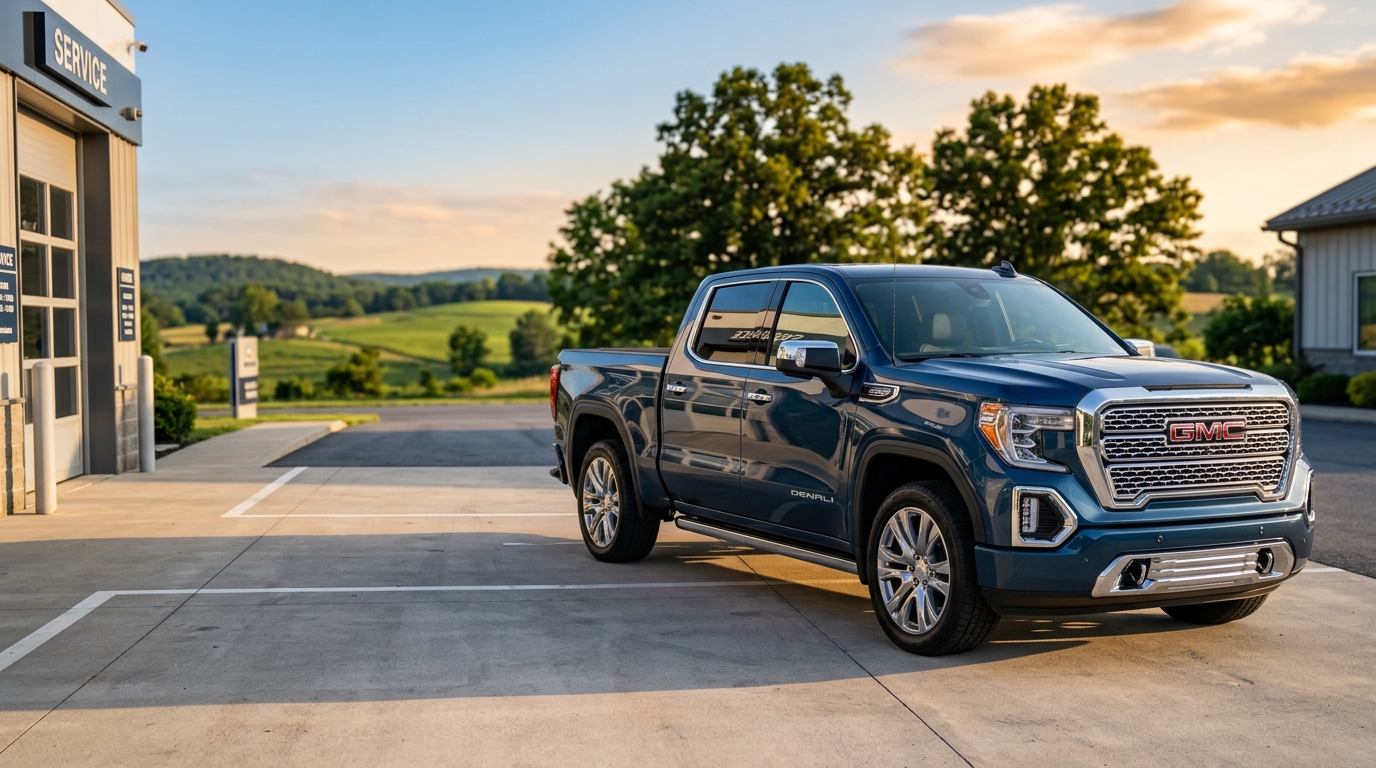
To secure the highest trade-in offer from a dealership in 2026, detail your vehicle inside and out, compile comprehensive maintenance records, resolve active safety recalls, bring all physical keys and remotes, and present recent market research for your specific trim level. Completing these preparation steps allows the appraisal specialist to evaluate your vehicle based on its immediate retail readiness rather than deducting value for anticipated reconditioning costs.
When you bring your vehicle in for an appraisal, our valuation specialists execute a structured multi-point inspection that typically takes 30 to 45 minutes. This evaluation covers the mechanical health of the powertrain, structural and body condition, interior wear, tire tread depth, and an electronic vehicle history report review. The team also performs a short road test to confirm transmission shifting, alignment, and brake responsiveness. Following the inspection, you receive a firm written offer that you can accept immediately for cash or check, or apply directly as trade credit toward your replacement vehicle.
For drivers traveling from Greencastle along the rolling farmland corridors, presenting clean, documented maintenance logs for a truck or SUV highlights its documented durability and keeps the offer at the top of the market range. Arriving prepared with your paperwork speeds up the process and ensures full credit for every service record.
When sellers ask about preparing their vehicle for appraisal, our team recommends gathering both factory key fobs and original owner manuals before arriving, as replacing missing electronic keys can deduct several hundred dollars from your final offer. You can start the valuation process today by stopping by our Waynesboro dealership location or speaking directly with an appraisal expert by giving us a quick call at (833) 669-0849.
Table of Contents
- What Factors, Seasonality, and Modifications Impact Your Used Car Valuation?
- Private Sale vs. Local Dealer vs. Online Car Buyers: Which Option Pays More?
- Can You Negotiate Your Trade-In Offer or Sell a Non-Running Vehicle?
- What Documents and Details Do You Need to Sell Your Car to Buchanan Automotive Chevrolet?
- Key Questions About Vehicle Appraisals and Trade-Ins
- Start Your Vehicle Appraisal at Buchanan Automotive Chevrolet Today
What Factors, Seasonality, and Modifications Impact Your Used Car Valuation?
Aftermarket modifications rarely increase trade-in value at a dealership and frequently lower your offer if the installed components void factory warranties, alter emissions compliance, or limit regional buyer demand. Stock configurations supported by documented factory service history command the highest appraisal values because they require minimal reconditioning before reaching the retail lot.
Custom lift kits, aftermarket exhaust setups, non-factory wheel packages, and engine tuning software tend to decrease trade-in valuations. Dealerships must return modified vehicles to safety-compliant, original factory standards or sell them at wholesale auctions, both of which introduce added cost. Conversely, factory option packages—such as advanced driver-assist systems, leather seating trims, tow preparation groups, and upgraded infotainment systems—consistently bolster trade value.
Beyond mechanical condition, secondary factors heavily influence your written offer:
- Vehicle age and total odometer mileage
- Exterior paint and interior upholstery condition
- Vehicle history indicators, including accident records and owner count
- Regional wholesale demand and current market supply for your trim
- Tire tread remaining and brake wear condition
Seasonal market trends also play a substantial role in trade-in pricing. Convertibles and sport coupes see peak buyer demand in early spring and summer, whereas all-wheel-drive crossovers, heavy-duty trucks, and full-size SUVs experience elevated wholesale demand heading into late autumn and winter.
Among pre-owned vehicles, specific models consistently hold exceptional resale value due to sustained regional demand. The Chevrolet Silverado 1500 equipped with the 3.0L Duramax Turbo-Diesel engine or the 5.3L EcoTec3 V8 maintains strong trade value, as do passenger models like the Chevrolet Tahoe and Chevrolet Suburban. To explore current market demand or see how pre-owned models compare in value, explore our pre-owned vehicle inventory or inspect factory-backed options in our certified pre-owned inventory.
Private Sale vs. Local Dealer vs. Online Car Buyers: Which Option Pays More?
Selling your car directly to a local dealership delivers superior total financial value and convenience compared to private listings or corporate online car-buying sites once sales tax offsets, safety risks, and transactional fees are factored into the equation. While a private sale may occasionally yield a higher gross price on paper, it requires significant time, administrative burden, and exposure to unsafe payment scenarios.
| Selling Avenue | Speed & Convenience | Fraud & Liability Risk | Financial Impact & Tax Benefits |
|---|---|---|---|
| Local Dealership Trade-In | Immediate (same-day completion in 45 minutes) | Zero risk; dealer handles all DMV & lien payoff paperwork | Trade value reduces taxable purchase price on replacement vehicle |
| Private Buyer Sale | Slow (weeks to months of messages and test drives) | High risk of payment fraud, unvetted strangers, title delays | Full sales tax paid on next vehicle; out-of-pocket listing fees |
| Online Corporate Car Buyer | Moderate (requires pickup scheduling and inspection) | Low risk, but offers are subject to downward revision upon pickup | No localized trade-in tax credit benefits available |
Private sales require owners to clean and photograph the vehicle, create paid online listings, field endless prospective buyer calls, accommodate unknown shoppers for test drives, and manually coordinate title transfers and lien payoffs with financial institutions. Furthermore, private transactions expose sellers to counterfeit cashier’s checks and wire fraud.
Corporate online car buyers provide fast digital estimates, but their distant appraisal models rely heavily on conservative wholesale formulas. When the transportation driver arrives to collect the vehicle, physical reconditioning flags often result in last-minute price reductions.
Commuters navigating the daily I-81 corridor from Hagerstown often find that trading in at a local dealership saves hours of effort while maximizing final financial returns. In Pennsylvania, trading in your vehicle toward a replacement model allows you to pay state sales tax only on the net difference between the trade value and the new vehicle price, saving you hundreds of dollars that private sales cannot replicate. If you are ready to upgrade your ride, take a moment to review our selection of new Chevy models and submit an online credit application to calculate your net savings.
Can You Negotiate Your Trade-In Offer or Sell a Non-Running Vehicle?
Dealership trade-in offers are negotiable when supported by objective local market data, recent vehicle service records, and verification of comparable vehicle sales in your area. Dealerships will also evaluate non-running vehicles, offering cash or trade credit based on salvageable component equity, structural integrity, and wholesale reconditioning feasibility.
To negotiate your trade-in offer effectively, start by gathering baseline valuation estimates using your vehicle identification number, exact trim options, mileage, and an honest assessment of its physical health. Presenting documented invoices for recent maintenance—such as a fresh set of tires, complete brake service, or factory warranty repairs—demonstrates that the vehicle requires minimal immediate reconditioning. If an initial offer comes in lower than expected, calmly present your documentation and request an itemized review of any reconditioning deductions the appraiser made.
If your vehicle does not run due to mechanical failure, electrical issues, or accident damage, dealerships can still buy it. While a non-running car will not command top retail trade value due to the towing logistics and extensive repair costs involved, selling it to a dealer remains a far easier path than arranging private scrap removal or paying storage fees. The appraisal team evaluates the remaining powertrain value, body panels, and internal modules to calculate a fair offer.
Sellers looking to leverage their vehicle’s current equity can begin by taking a few minutes to value your trade-in online using our transparent appraisal tool.
What Documents and Details Do You Need to Sell Your Car to Buchanan Automotive Chevrolet?
To sell or trade your car cleanly in one visit, you must bring a valid state-issued driver’s license, current vehicle registration, all physical ignition keys and remotes, and your original vehicle title or official loan account information. Having these required items organized before you walk into the dealership ensures that the transaction and payment can be finalized in under an hour.
Mandatory Document Checklist
- Vehicle Title or Loan Details: Bring the clear title if you own the vehicle outright. If you have an active auto loan, bring your account number, lender contact details, and current payoff statement.
- Valid Government-Issued Photo ID: A current driver’s license for all named title holders on the registration.
- Current Vehicle Registration: Proves active ownership and matches state database files.
- Keys, Remotes, and Accessories: Include all factory key fobs, valet keys, wheel lock keys, and owner manuals.
- Service Records: Physical receipts showing routine oil changes, transmission services, and tire maintenance history.
If you currently owe money on your auto loan, our finance specialists contact your lender directly to receive an accurate, line-item payoff figure. We remit the full payoff balance to your financial institution and issue a check to you for any remaining positive equity. If you have negative equity, our finance department can structure the remaining balance directly into your replacement vehicle financing contract.
Before driving to the dealership, check for open safety recalls by entering your 17-digit vehicle identification number into national safety campaign registries or manufacturer lookup sites. Resolving safety recalls before your appraisal ensures smooth inventory onboarding. If you are evaluating options across multiple brand lines, you can also view our GMC showroom offerings to compare trade options across our family of dealerships.
Key Questions About Vehicle Appraisals and Trade-Ins
Q: How long does the in-person trade-in appraisal process take at the dealership?
The physical appraisal process typically takes about 30 to 45 minutes from start to finish. During this window, an appraisal specialist performs a visual inspection of the interior and exterior body condition, checks tire and brake wear, verifies the vehicle history report, and conducts a brief test drive before presenting you with a written cash or trade offer.
Q: What happens if I owe more on my vehicle loan than the car is worth?
When your remaining loan balance exceeds the vehicle’s market trade value, you have negative equity. Our finance team can assist by rolling that remaining balance directly into the financing contract of your replacement vehicle, subject to lender approval, allowing you to complete your trade without paying out-of-pocket cash at signing.
Q: Am I obligated to buy a car from Buchanan Automotive Chevrolet if I sell my vehicle to you?
You are under no obligation to purchase a vehicle from us when you sell us your car. We purchase quality pre-owned cars, trucks, and SUVs directly for cash or check, providing a written offer that you can accept outright or apply as trade-in credit toward another purchase.
Q: How does an open safety recall impact my vehicle’s trade-in offer?
An open safety recall generally does not prevent us from buying your vehicle, nor does it automatically reduce your written trade offer. Authorized dealership service departments resolve open manufacturer safety recalls during inventory preparation at no charge to you or the original vehicle owner.
Q: Will my final in-person trade-in offer match the preliminary online valuation?
The preliminary online valuation provides an estimated price range based on regional market sales data and the details you enter. The final written offer matches or adjusts that estimate after an in-person physical appraisal verifies the mechanical health, body condition, tire tread depth, and documented service history of your vehicle.
Start Your Vehicle Appraisal at Buchanan Automotive Chevrolet Today
Selling or trading your vehicle is a quick, transparent process when you partner with an appraisal team dedicated to straightforward pricing, clear paperwork, and immediate payments. Whether you choose to sell your vehicle outright for cash or apply its equity toward a new or certified pre-owned vehicle, our specialists handle the entire transaction on-site.
Our showroom sales team is available during convenient business hours to conduct your appraisal and process your trade:
- Monday, Tuesday, Thursday, Friday: 8:30 am to 8:00 pm
- Wednesday: 8:30 am to 5:30 pm
- Saturday: 8:30 am to 4:00 pm
- Sunday: Closed
Bring your driver’s license, title or loan information, vehicle registration, and all keys to our showroom to complete your valuation today. Plan your trip by mapping visit our Waynesboro showroom address or give our team a quick call at (833) 669-0849 to schedule your preferred appraisal time.
Keep Your Vehicle Running Strong
Keep your vehicle performing at its best with our service team:

0 comment(s) so far on How Can You Get the Highest Trade-In Offer From a Dealership in 2026?