


How Much Range Does the Chevrolet Blazer EV Lose in Cold Winter Weather?
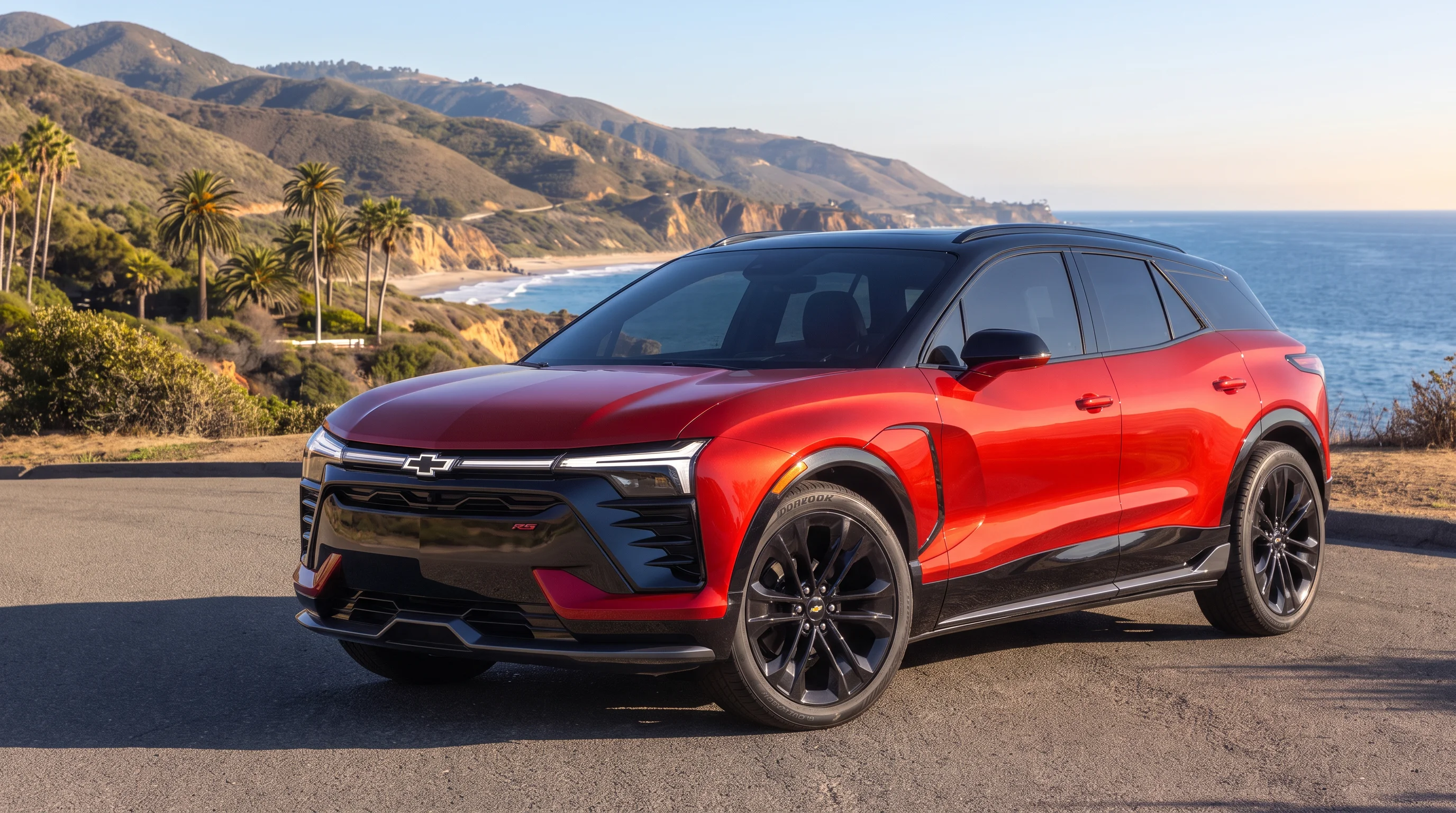
In sub-freezing weather around 20 degrees Fahrenheit, expect the Chevrolet Blazer EV to give up a meaningful share of its range. Independent estimates based on Recurrent fleet data put the loss at roughly 22% at about 20°F. That temporary drop happens because the vehicle spends electrical energy warming both the battery and the passenger cabin during cold-weather operation.
The good news is that most of that loss is manageable. The right charging and preconditioning habits help drivers around Waynesboro get more out of every charge all winter long.
Why Does Cold Weather Reduce Blazer EV Range?
Electric vehicle batteries rely on chemical reactions to move lithium ions between the anode and cathode. When temperatures drop below freezing, those reactions slow down and the cells become less efficient, so the vehicle uses some stored energy to keep the battery within its working range.
Heating the cabin adds to that demand. A gas engine produces waste heat that can warm the cabin for free, but an electric vehicle’s heating system draws energy directly from the same battery that powers the motors. Every degree of cabin warmth comes out of your available range.
Road and weather conditions play a part too. Cold air is denser than warm air, which increases aerodynamic drag at highway speeds, and snow, slush and ice buildup on the road and on the vehicle add resistance. Understanding these factors helps you set realistic expectations and adjust your routine during the coldest months.
Chevrolet Blazer EV EPA-Estimated Range by Configuration
Use the EPA-estimated figures below as your mild-weather baseline. At around 20°F, plan for roughly 22% less range than the figure shown.
| Configuration | Drivetrain | Battery | EPA-Est. Range | EPA-Est. Combined MPGe |
|---|---|---|---|---|
| LT FWD | FWD | 85 kWh | 312 miles | 104 |
| LT AWD | AWD | 85 kWh | 283 miles | 94 |
| RS FWD | FWD | 85 kWh | 312 miles | 104 |
| RS AWD | AWD | 85 kWh | 283 miles | 94 |
| SS AWD | AWD | 102 kWh | 302 miles | 85 |
Front-wheel-drive LT and RS models offer the longest EPA-estimated range, while the SS pairs its larger battery with all-wheel-drive performance.
EPA-estimated fuel economy figures are for comparison purposes only. Your actual mileage will vary depending on driving conditions, how you drive and maintain your vehicle, battery age/condition, and other factors.
Does the Blazer EV Have a Standard Heat Pump and Winter Comfort Features?
Yes. Chevrolet equips its EVs, including the Blazer EV, with a heat pump. The system captures heat from sources such as regenerative braking and redeploys that energy where it’s needed, like warming the cabin or the battery, instead of relying only on conventional resistive heating.
Chevrolet also offers several features that deliver warmth directly to occupants, which uses less energy than heating the entire cabin:
- Available heated front seats warm passengers directly, reducing the need to run high cabin blower speeds.
- An available heated steering wheel delivers quick comfort to the driver’s hands on cold mornings.
- Available heated rear seats extend that targeted warmth to rear passengers.
- Regenerative braking with One Pedal Driving converts the energy of slowing down into extra battery power when enabled.
Pairing heated surfaces with a lower cabin temperature setting lets you stay comfortable while drawing less power. You can compare which trims include these features in our new Blazer EV inventory.
Should You Keep the Blazer EV Plugged In Overnight During Freezing Temperatures?
Keeping your Blazer EV connected to a Level 1 or Level 2 charger overnight is a smart winter habit. When you warm the vehicle while it’s still plugged in before you drive, that energy comes from the grid rather than from your battery, which conserves range for the trip itself.
Starting out with a warmed vehicle can also help with regenerative braking. GM notes that regenerative braking may be limited when the battery is cold or near full charge, so a cold-soaked battery may not recapture as much energy during your first few miles.
How Do You Precondition the Blazer EV for Winter Driving and Fast Charging?
A scheduled departure time lets the vehicle warm up on grid power before your commute. You can set one through the myChevrolet mobile app, then leave the charging cable connected overnight so preconditioning doesn’t draw from the battery.
For highway trips, how you navigate matters. When you set a DC fast-charging station as your destination in the Blazer EV’s Google built-in navigation, the vehicle automatically preconditions its battery for improved charging performance on arrival. This doesn’t happen if you navigate through Android Auto on your smartphone, so use the built-in system for charging stops. A cold battery that hasn’t been preconditioned can accept noticeably less charging power, which means longer stops.
The 2027 Blazer EV also comes with a native NACS charge port, so drivers can use Tesla Superchargers without a separate adapter.
What Home-Charging Habits Maximize Winter Range?
A reliable home-charging routine is the best foundation for winter EV ownership. The Blazer EV includes a standard Dual Level Charge Cord that works with 120-volt household outlets and 240-volt outlets, and its 11.5-kW onboard charger supports faster home charging when paired with a dedicated Level 2 station.
| Charging Option | Electrical Supply | Maximum Charging Power |
|---|---|---|
| Dual Level Charge Cord (Level 1) | 120-volt household outlet | 1.4 kW |
| Dual Level Charge Cord (Level 2) | 240-volt outlet | 7.7 kW |
| Dedicated Level 2 station | 240-volt wall unit | Up to 11.5 kW (onboard charger limit) |
To protect range and keep fast-charging stops efficient through the winter:
Keep the vehicle plugged in whenever it’s parked at home in freezing weather, and warm it before departure while it’s still connected.
Use an 80% target charge level for daily driving, which GM recommends for battery health and regenerative braking, and raise it for long trips.
Rely on the available heated seats and heated steering wheel as your primary sources of warmth.
Keep tires inflated to the recommended pressure, since tire pressure drops about 1 PSI for every 10-degree drop in outside temperature.
Clear ice and snow from the charge port and charger before plugging in.
Frequently Asked Questions About Blazer EV Cold-Weather Range and Charging
Should I charge my Blazer EV to 100% every night during cold winter months?
For daily commuting, an 80% target charge level remains GM’s recommendation for battery health and regenerative braking, even in winter. Raising your charge limit makes sense before a longer trip when you need maximum range. Staying plugged in at 80% still lets you precondition on grid power before you leave.
How much slower is DC fast charging in freezing weather?
DC fast charging can slow down significantly if the battery is cold when you arrive. Routing to the charger through the Blazer EV’s Google built-in navigation, rather than Android Auto, triggers automatic battery preconditioning on the way, which improves charging performance when you plug in.
Does cold weather permanently damage the Blazer EV battery?
No. Range reductions in freezing temperatures are generally temporary, caused by slower battery chemistry and higher heating demand. As temperatures warm up in the spring, efficiency returns.
What should I do about snow and ice around the charge port?
Before you plug in, make sure both the charger and the vehicle’s charge port are clear of ice and snow. Chevrolet EVs are designed to charge in winter weather, including snowy conditions.
Plan Your Winter EV Driving with Buchanan Chevrolet
Driving an electric vehicle through a south-central Pennsylvania winter is straightforward when you take advantage of preconditioning, Level 2 home charging and heated comfort features. The Chevrolet Blazer EV pairs a standard heat pump with available all-wheel drive and standard Chevy Safety Assist, so it’s ready for year-round driving.
Federal clean vehicle tax credits under Section 30D ended for vehicles acquired after September 30, 2025. For more on ownership costs and incentives, read our guide to buying a Chevy EV in Pennsylvania and Maryland, and consult your tax advisor about any state or local programs.
Ready to experience the Blazer EV for yourself? Visit our Waynesboro showroom, call our team at (717) 762-3141, or contact Buchanan Automotive Chevrolet to learn more about electric vehicle ownership.
Disclaimers
EPA-estimated fuel economy figures are for comparison purposes only. Your actual mileage will vary depending on driving conditions, how you drive and maintain your vehicle, battery age/condition, and other factors.

0 comment(s) so far on How Much Range Does the Chevrolet Blazer EV Lose in Cold Winter Weather?